

EN

setembro 2026
Banco de Materiais
It never accumulates wealth, but it keeps assets circulating
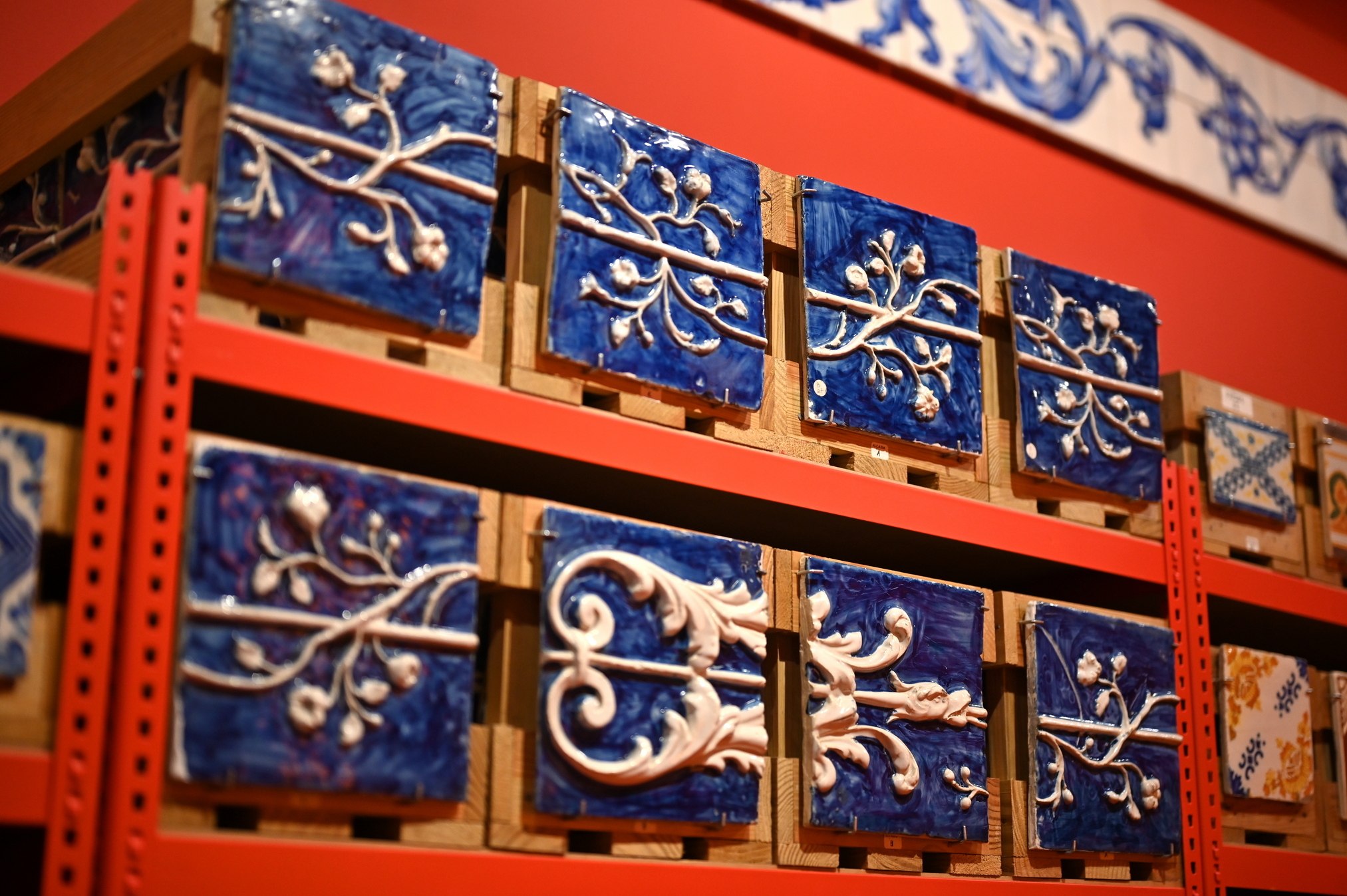
Banco de Materiais © Rui Meireles
Banco de Materiais, a pioneering municipal project on a national level, works to safeguard materials that help define Porto’s architectural identity. Collected from dilapidated buildings at risk of demolition or undergoing alterations, these elements are treated, preserved, and, whenever possible, returned to the city to be incorporated into urban restoration and rehabilitation projects.
Although it began operating more than 30 years ago at Casa Tait as a materials collection project, it was in 2010 that it opened to the public at the Palacete dos Viscondes de Balsemão with a collection open to visitors. After undergoing a renovation, it reopened in April of this year, converting two rooms into a long-term exhibition.
Agenda Porto visited this exhibition space at the Museu do Porto accompanied by someone who knows it well: Maria Augusta Martins, a senior specialist with the Municipal Department of Cultural Heritage and Public Art and curator of this exhibition (along with Rita Roque), who tells us, half-jokingly, that she’s been there “for 600 years.”
Titled “Fragments of the City in a Running Account,” the exhibition consists of 162 pieces divided between two rooms, one blue and the other red. “‘Fragments’ because they are individual elements of a whole—the city—and ‘current account,’ a term from the banking world, because it suggests this constant flow of materials coming in and going out,” explains Maria Augusta. The exhibition thus seeks to show the public the work carried out by the Banco de Materiais and the constant circulation of these items throughout the city.
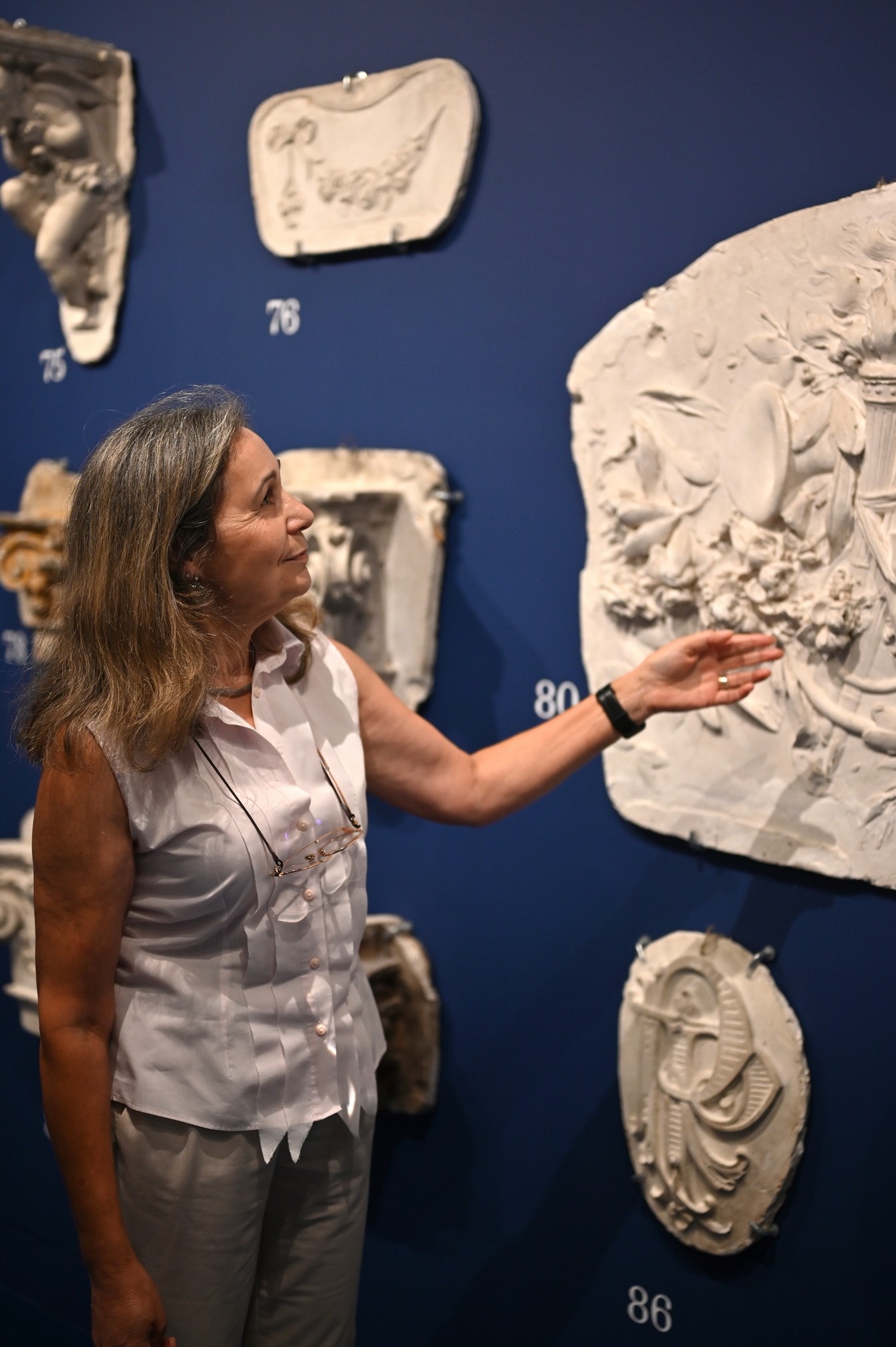
Maria Augusta Martins © Rui Meireles
We begin with the Blue Room, dedicated primarily to stucco, where pieces salvaged from demolition sites are on display, along with molds from the former Avelino Ramos Meira Workshop—one of the most prestigious of its kind, which closed its doors in 1999. “This workshop was the last of its kind to close in Porto, and it was located on Rua do Rosário, where its counterpart, the Baganhas Workshop, also operated.”
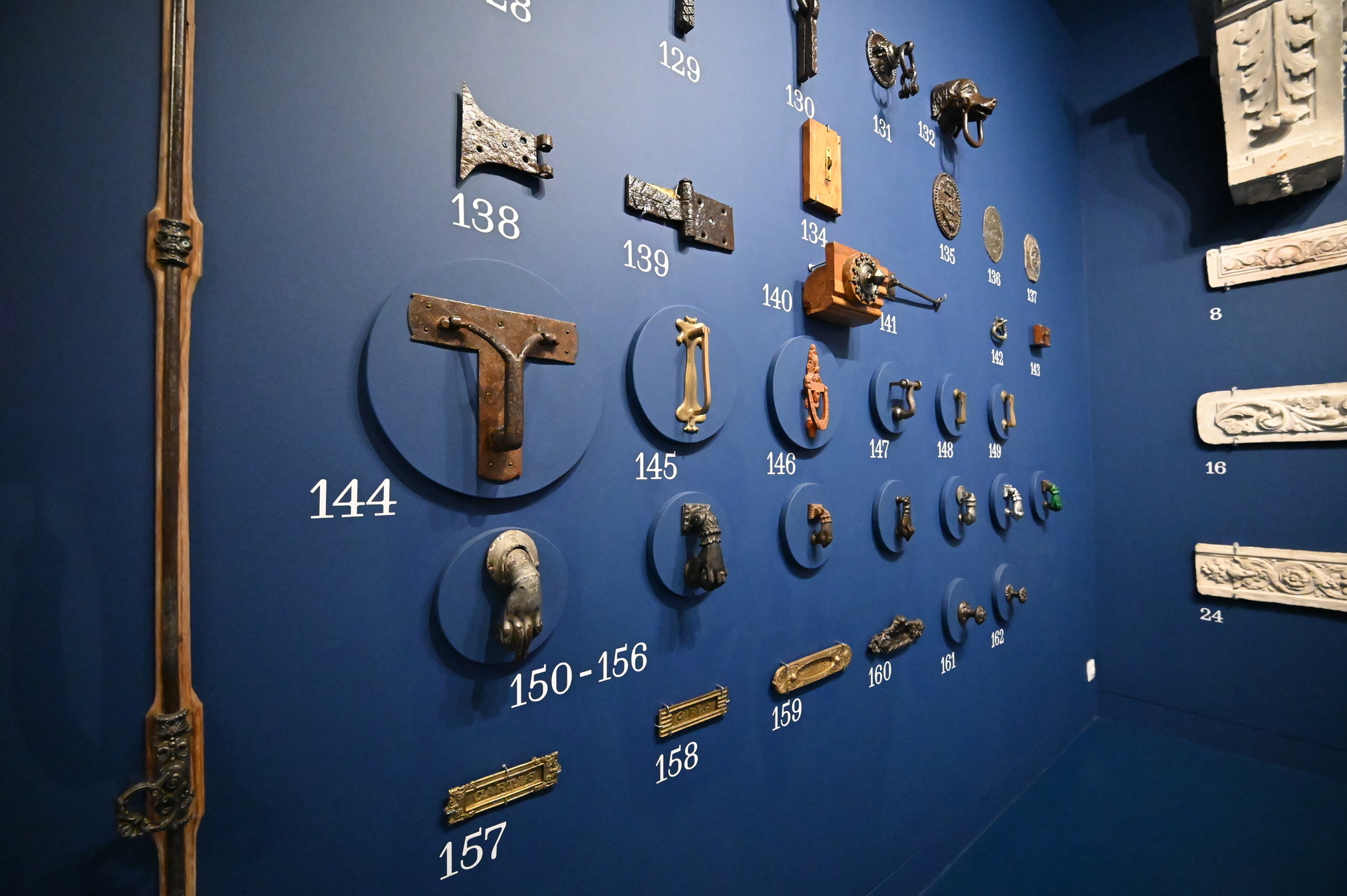
In the center stands out a 12-segment iron skylight, a testament to an era when these structures brought natural light into the heart of the city’s bourgeois homes. “Inside, the skylights are often adorned with stucco elements,” the curator explains. This room also highlights the role of iron in Porto’s architecture, which, according to Maria Augusta, “is extremely important,” on par with azulejos and stucco. “Iron was used in the Luiz I and D. Maria [Pia] bridges and in large buildings, such as the Ferreira Borges Market and the grand hall of the Palácio da Bolsa, but also in details, such as the hand-shaped door knockers—known as the ‘Hand of Fatima’ or ‘French hand’—door knockers, doorbells, and maintenance rings on buildings.”
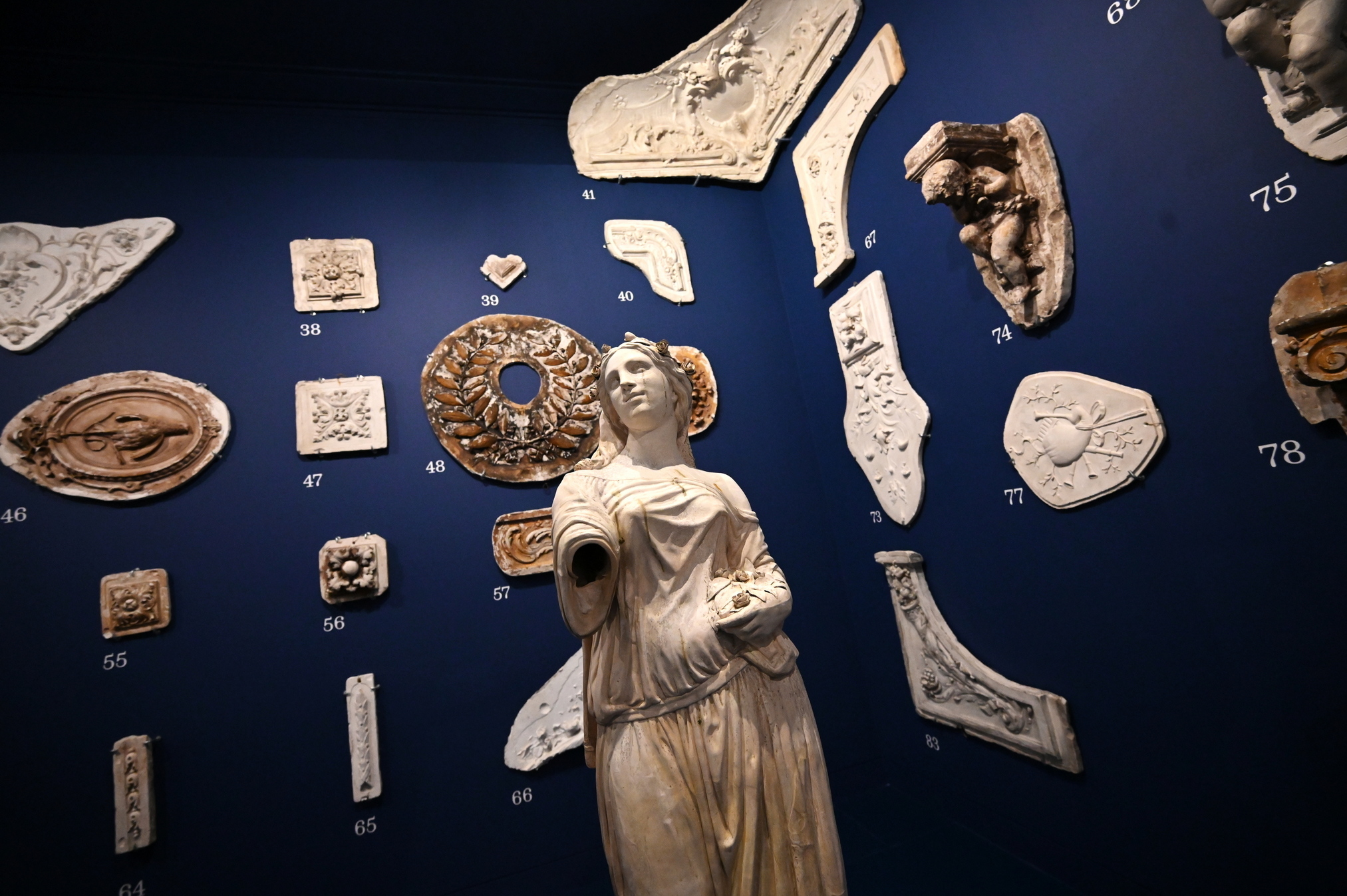
Banco de Materiais © Rui Meireles
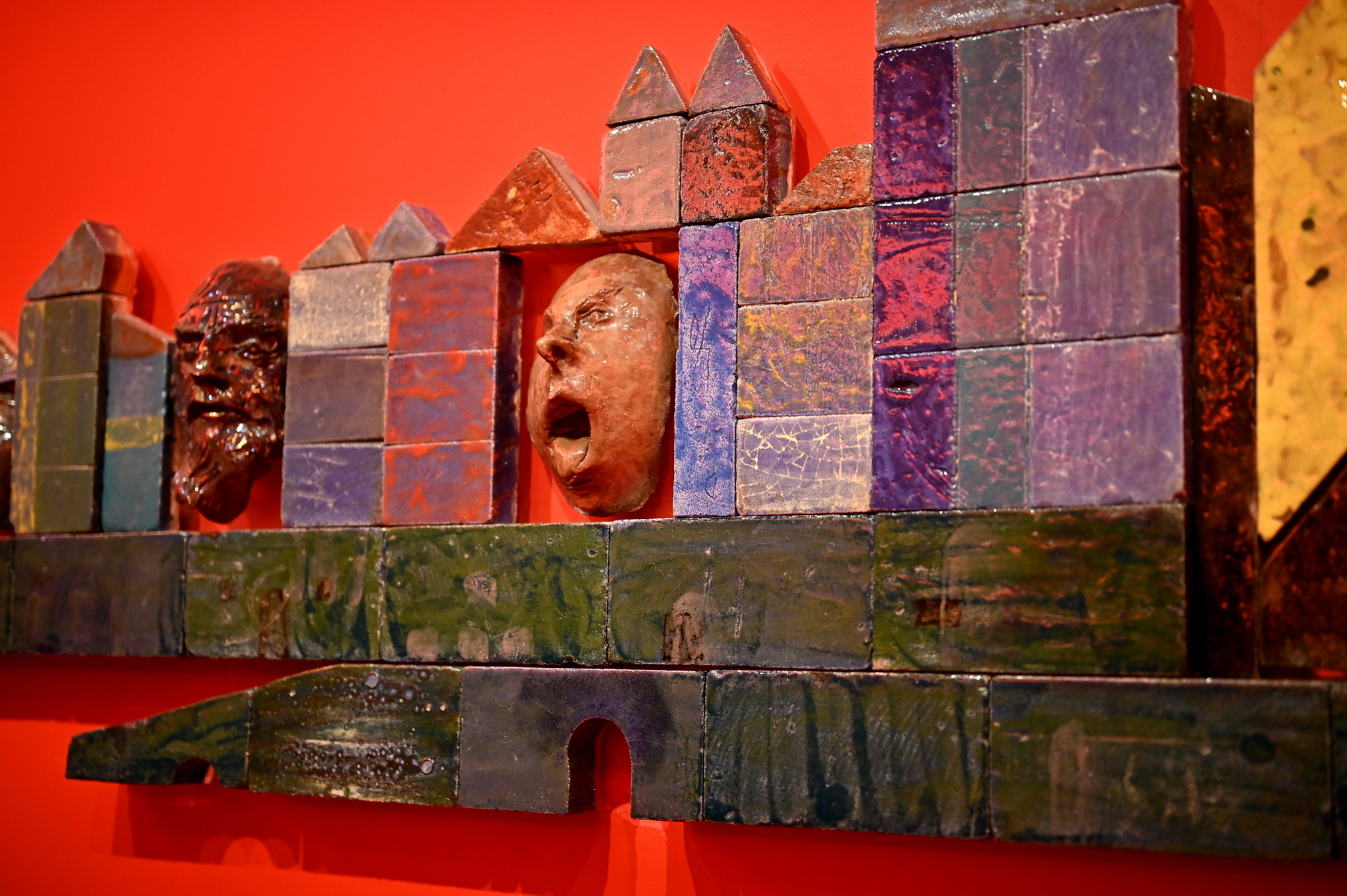
Painel em cerâmica da autoria de José Rodrigues © Rui Meireles
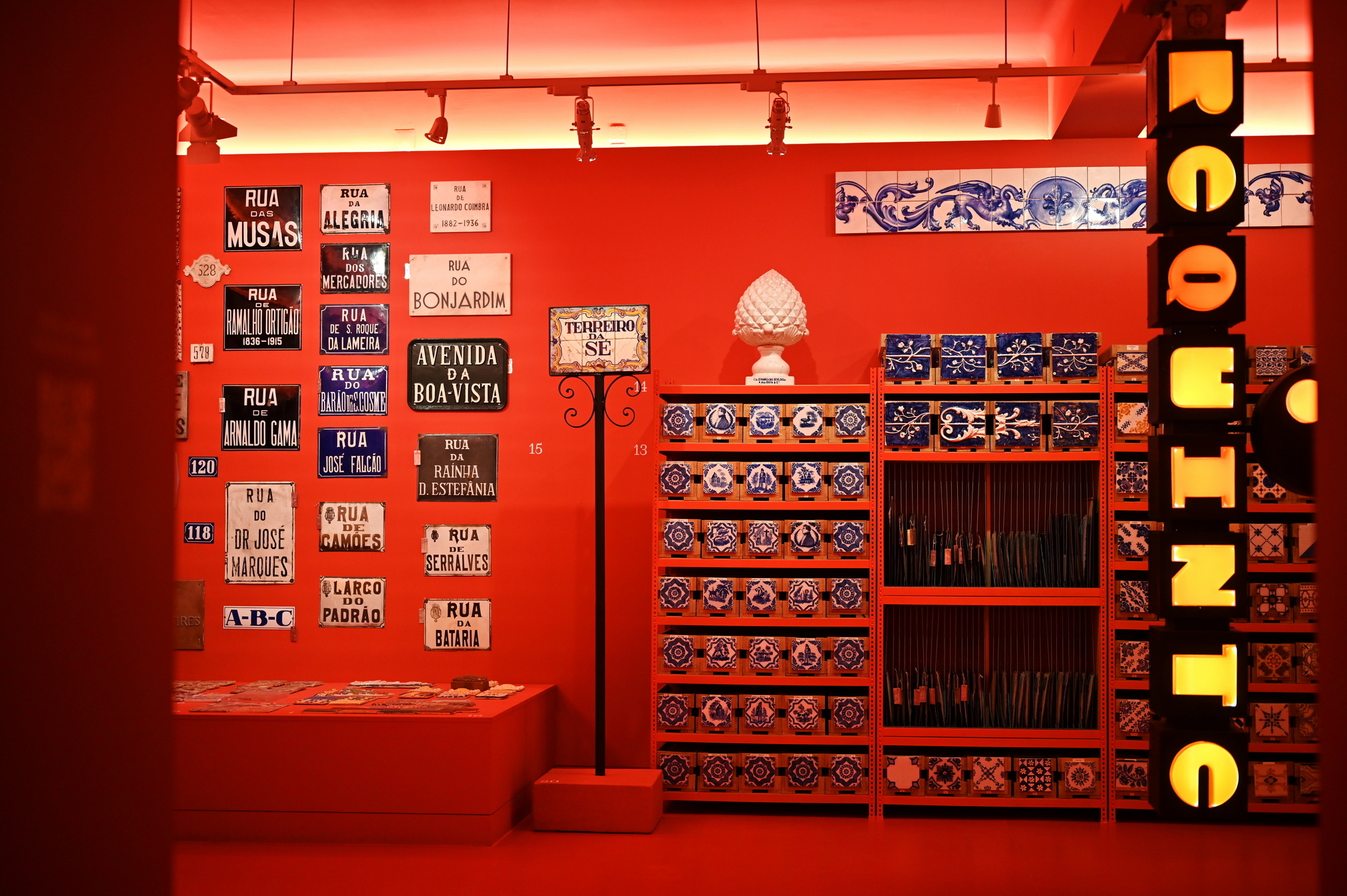
The tour continues in the Red Room, dedicated primarily to tiles, a predominant feature of the Materials Collection. “They’re small squares with a wide variety of patterns, easy to organize; we display them here in the box where we store them, just as we would in the public storage area,” our guide tells us.
A display traces six centuries of tile history in Portugal, beginning with imported Hispano-Arabic examples. According to the curator, this collection was started around 1900. “It was [ethnographer and archaeologist] Rocha Peixoto, curator of Porto’s first Municipal Museum, who began collecting these items in the city.”
Maria Augusta points out that “azulejo” derives from the Arabic word al-zulaij, which means “small, polished, decorated stone.” “We didn’t invent the azulejo, but we’ve distinguished ourselves by the way we’ve adapted it to architecture; the Portuguese managed to take this element and use it to transform architectural spaces in a very creative way,” argues the coordinator of the Banco de Materiais, emphasizing that “it’s this diversity, spread throughout Porto, that sets us apart from many other cities.”
The Red Room also displays street name signs, eave tiles, and some signage, such as “Requinte.” This is a neon sign that was salvaged during the renovation of the Bolhão Market and originally belonged to a store on Rua de Sá da Bandeira. “At the time, it was a very innovative neon sign in terms of lettering, and since it was a single-piece unit with a design that was already quite advanced, we thought it would be interesting to add this touch of refinement to the exhibition,” he says, laughing at the pun.
Among the most striking pieces is also a ceramic panel by José Rodrigues. Donated by the sculptor to the city’s road maintenance workers, it is now being shown to the public for the first time.
As part of the exhibition Fragments of the City in the Running Account, two dozen free workshops aimed at families and the general public will take place through 2027. “People really enjoy these workshops because they get to take home the tile they created,” he notes. This month, Banco de Materiais is hosting three workshops in partnership with Oficina Vidra and BOA – Bombarda Oficina de Artes on the 5th, 26th, and 27th, with a capacity of 25 people. Registration is available at museudoporto.pt.
These workshops are part of a series of initiatives supported by the Norte 2030 – Rotas do Norte Program as part of the Banco de Materiais’ proposal titled “Preservation and Promotion of Tile Art in Porto.” The project also includes conservation and restoration work at the Capela das Almas, the Church of Santo Ildefonso, and the Parish Church of Campanhã.
The exhibition at the Palacete dos Viscondes de Balsemão, which is free to the public, is open Tuesday through Sunday from 10:00 a.m. to 5:30 p.m. Outside this exhibition space, in a large warehouse on Rua do Barão de Forrester, thousands of other pieces remain in storage, waiting to be reintegrated into the facades, buildings, and streets of Porto.
Fotografias © Rui Meireles
Museu da Farmácia
From ancient apothecaries to major scientific discoveries, thousands of artifacts tell the story of health across different civilizations and eras
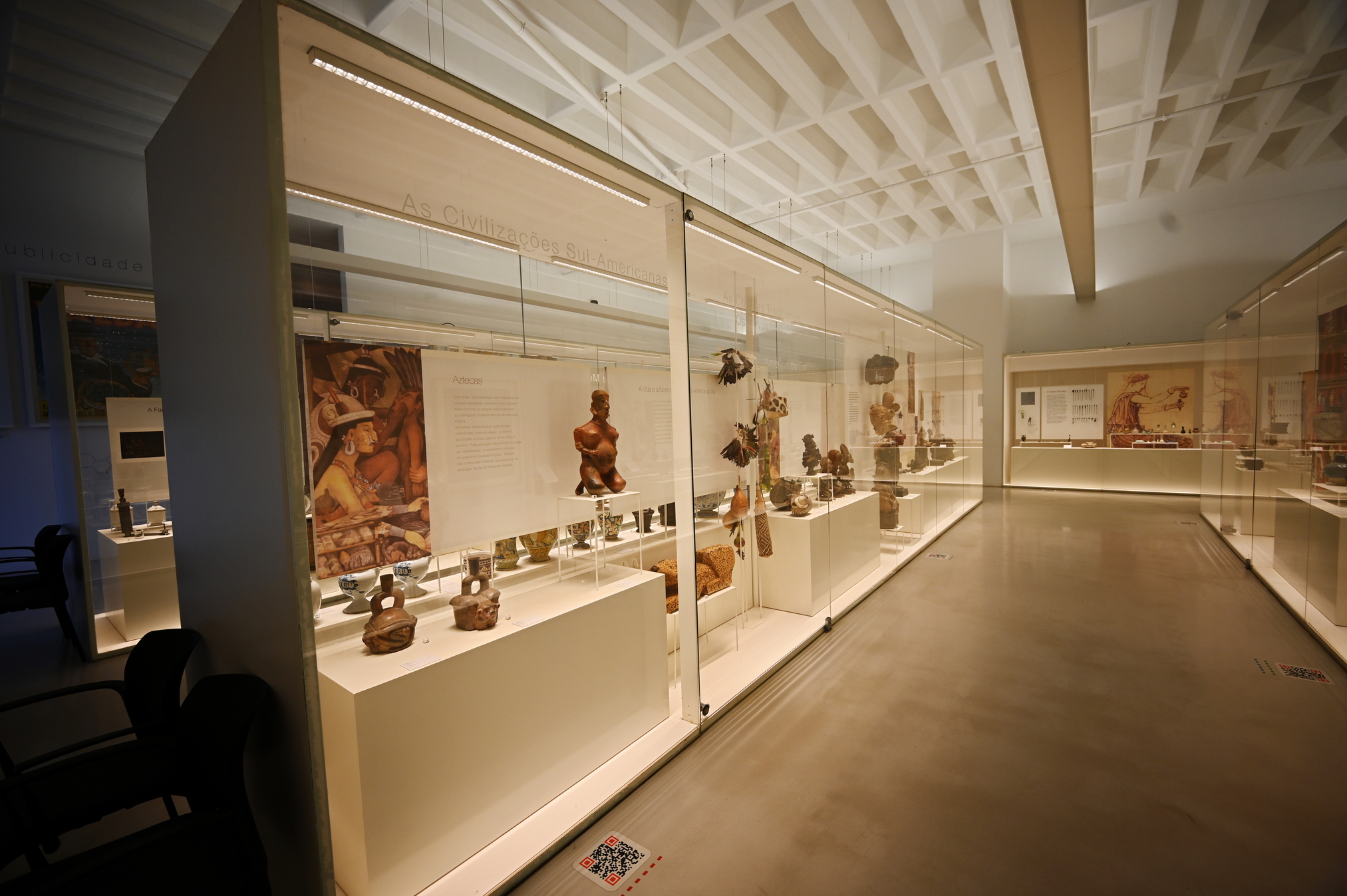
Far from the tourist circuits of downtown Porto, in the city’s industrial zone, we come across a museum where a mosquito preserved in amber for thousands of years, a German microscope from 1750, a homeopathic kit, and a pharmacy brought from Damascus all tell the same story: that of humanity’s struggle for health.
This is the world of the Pharmacy Museum, established in Porto in 2010 by the National Association of Pharmacies, which joined the museum created in Lisbon in 1996. But the history of this project began much earlier. João Neto, historian, director of the Pharmacy Museum, and president of the Portuguese Association of Museology, recalls that it all began in 1981, when he realized that Portugal was “one of the few Western countries that did not have a project for the preservation of pharmaceutical heritage.”
“We began to realize that we had to take action because, otherwise, we could lose much of our heritage,” he says. For 15 years, the mission was to gather artifacts scattered throughout the country. “The first phase was collection; our motto was ‘a collection in search of a museum.’” When the National Association of Pharmacies moved to new premises in Lisbon, it set aside a space to house that heritage and finally opened the museum.
In a second phase, the collection expanded beyond national borders. “We traveled all over the world to collect artifacts that could shed light on the history of humanity as it relates to health. The core of the collection has always been pharmacy, but we’ve also begun to include artifacts from other areas of health history.” The historian also emphasizes that “the concept of the universality of health” is present in the museum. “All civilizations and cultures are ultimately represented here, with unique pieces that could be found in other international museums.”
Today, the Lisbon and Porto locations house approximately 16,000 pieces. “One-third are in Lisbon, another third in Porto, and the remainder are in storage.”
At the Pharmacy Museum, the value of the objects lies not only in their rarity or beauty, but in the stories they can tell. “I don’t choose pieces because they’re beautiful; they’re part of the puzzle of the history of health,” argues João Neto.
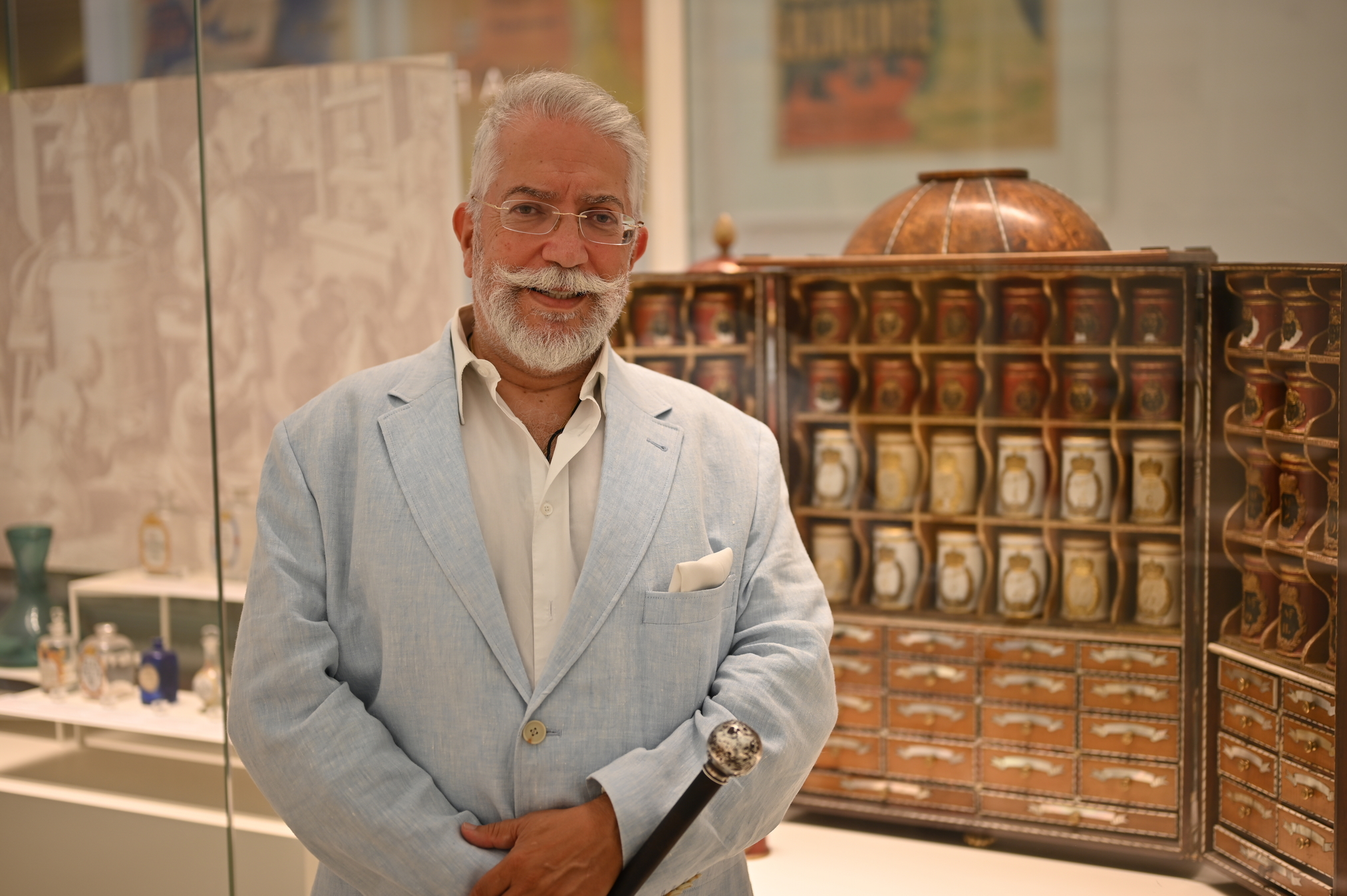
João Neto
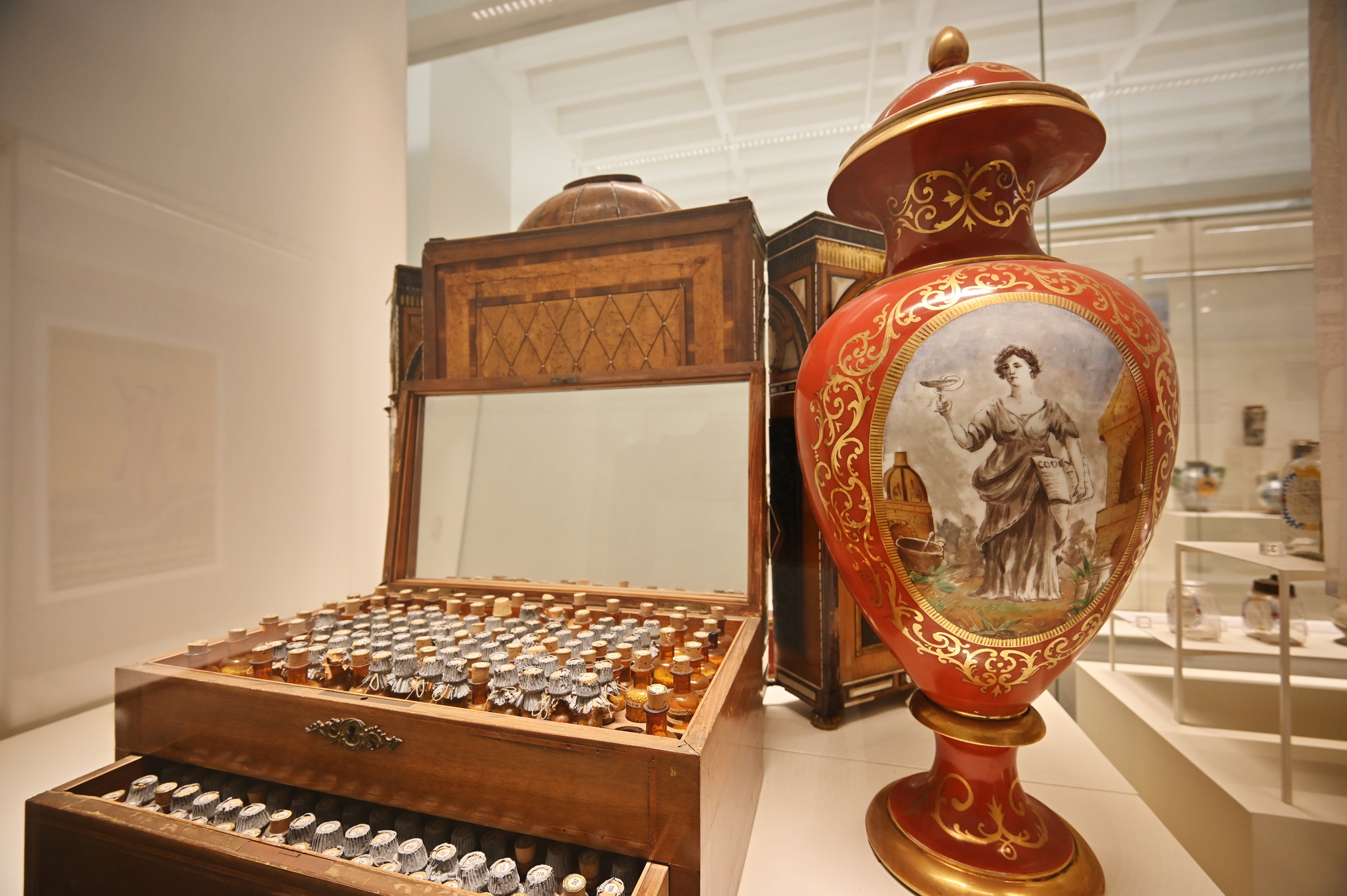
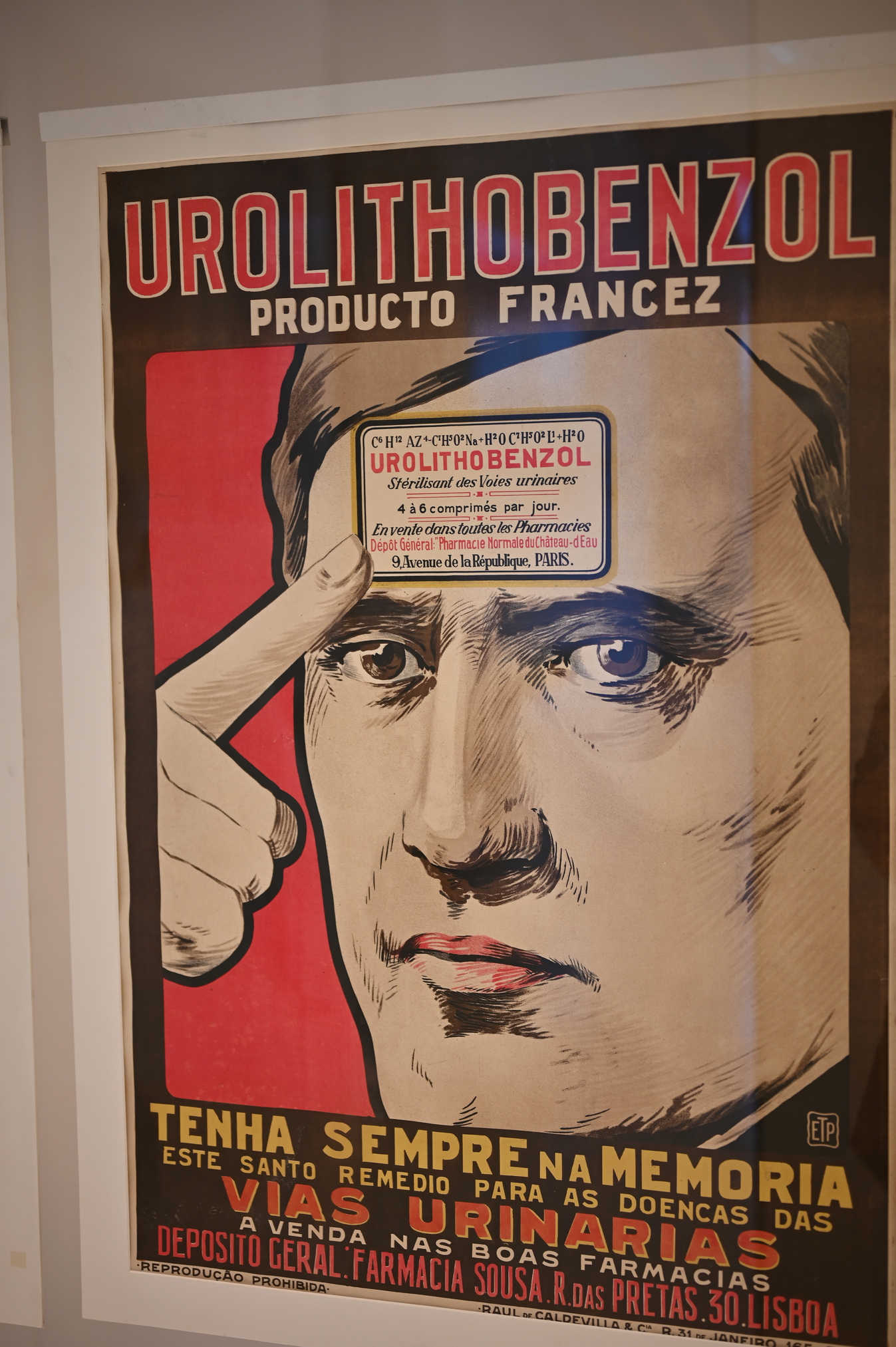
It is this logic that explains the diversity of the collection. A silver ritual vessel from Persia, “magic cups” engraved with prayers, the Romanov Portable Pharmacy, a package of Koch’s tuberculin, the first birth control pill to be marketed in Portugal, an Egyptian sarcophagus, and the Islamic Pharmacy from Damascus are examples of this.
Among the display cases, João Neto pauses in front of the smallest item in the exhibition: a mosquito preserved in amber. “It represents the fight against disease; even today, the mosquito remains one of the greatest serial killers in human history.”
It is precisely this ability to make objects speak that the director considers essential in a museum. “We may have good pieces, but if we lack the skills to make them speak, they may be very valuable financially, but they’re worth nothing.” That is why, he emphasizes, “it’s important to have people capable of cultural mediation.”
It is this philosophy that guides the themed tours organized by the museum, which are designed to recount, through the exhibits, some of the defining moments in the history of health.
Currently, the Porto center offers tours dedicated to “5,000 Years of the History of Health and Pharmacy,” “Archaeological Treasures in the Pharmacy Museum,” “The History of Sexuality,” “Pharmaceutical Ceramics,” “Animals in the Museum’s Collection,” and “The Human Figure.” New themes will soon be added, such as “Healing Colors,” “Comic Books in the Museum’s Collections,” and “Apothecaries and Medieval Medicine in the Time of Afonso Henriques,” the latter of which is part of the celebrations marking the 900th anniversary of Portugal’s founding.
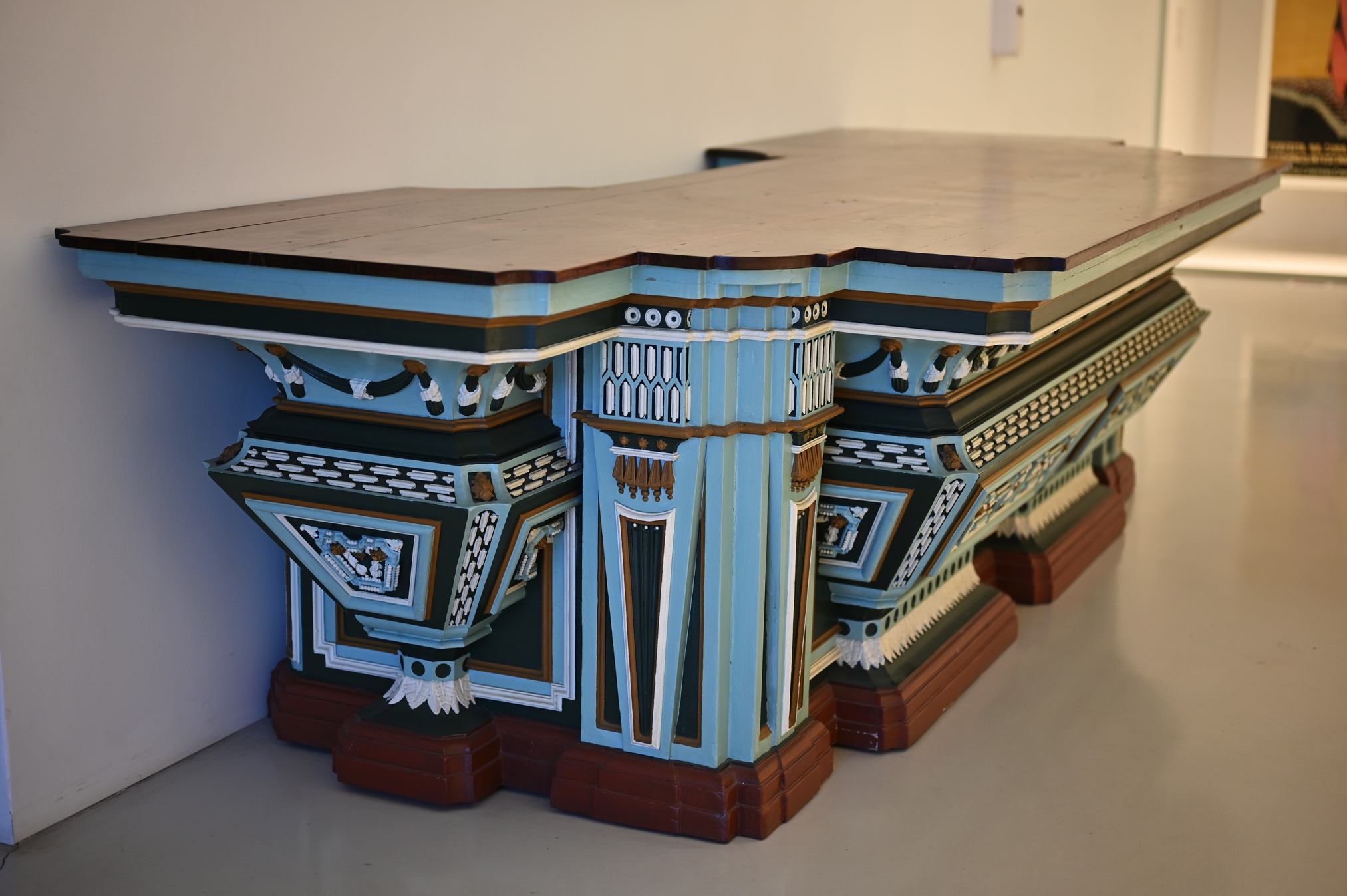
“We’ve been focusing on themed tours because they’re key to attracting new audiences. Our biggest challenge has been showing people that the Pharmacy Museum isn’t just the museum of little boxes and bottles they’re used to seeing at their local pharmacy. When people come here and are immersed in 7,000 years of history, that’s when they realize the museum has another dimension.”
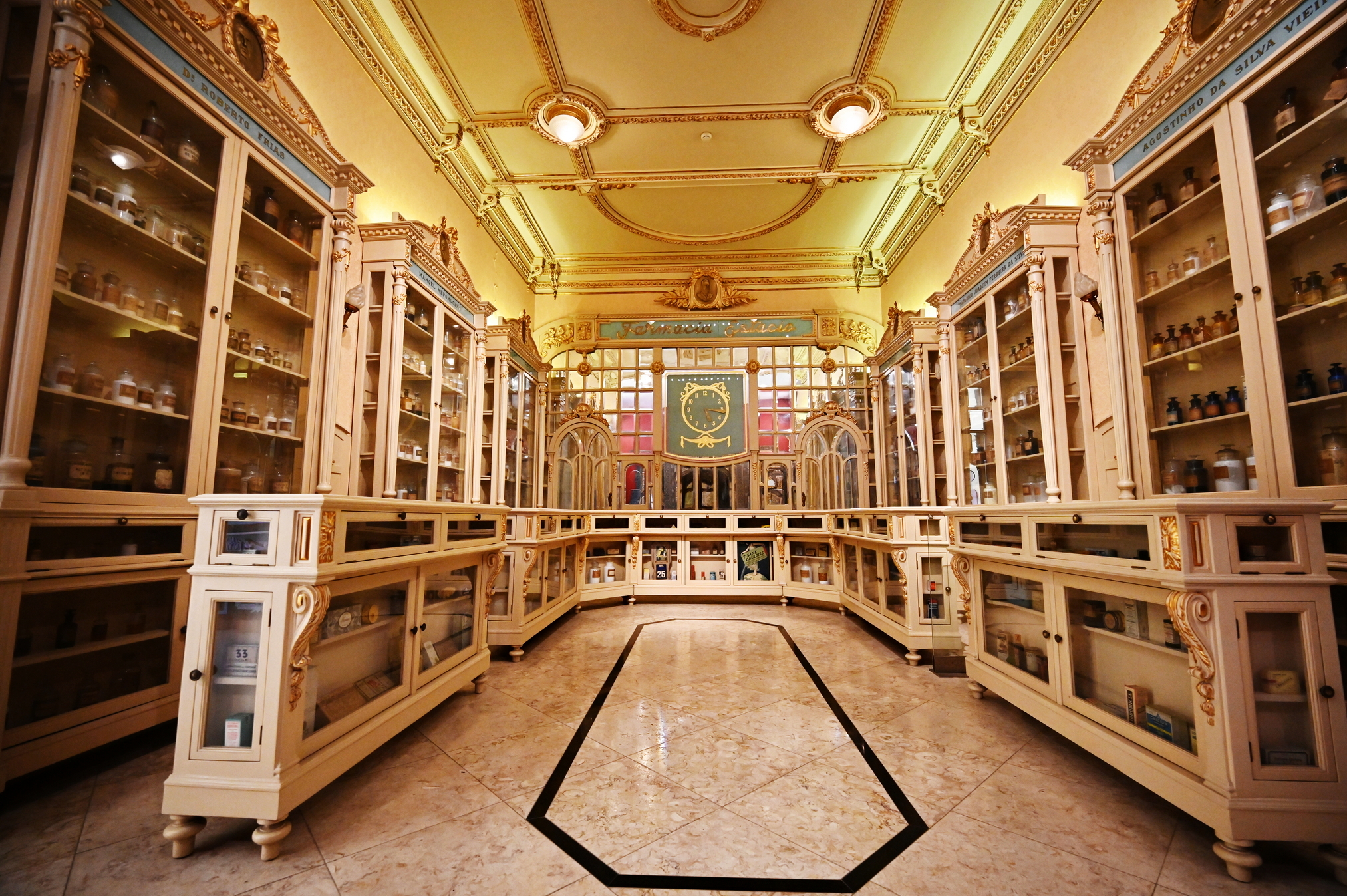
Among the exhibits at the Porto branch, the Estácio Pharmacy stands out; it was donated by its former owners and was originally located on Rua de Sá da Bandeira. In the late 1940s, it became a landmark of Porto’s downtown area thanks to its unusual talking scale, which was later destroyed in a fire.
“People would step onto the scale and hear a voice telling them their weight. What was the trick? A system similar to that used in submarines: on the floor below, an employee with a periscope would look at the scale’s display and then, through a sound amplifier, announce the weight,” reveals the museum director.
The Pharmacy Museum is open Monday through Saturday, from 10:00 a.m. to 1:00 p.m. and from 2:00 p.m. to 6:00 p.m. (last admission at 12:30 p.m. and 5:30 p.m.). Advance reservations are required for group visits.
Fotografias © Rui Meireles
Casa de São Roque
An 18th-century house that has been transformed into a contemporary art center, while preserving the history of the place
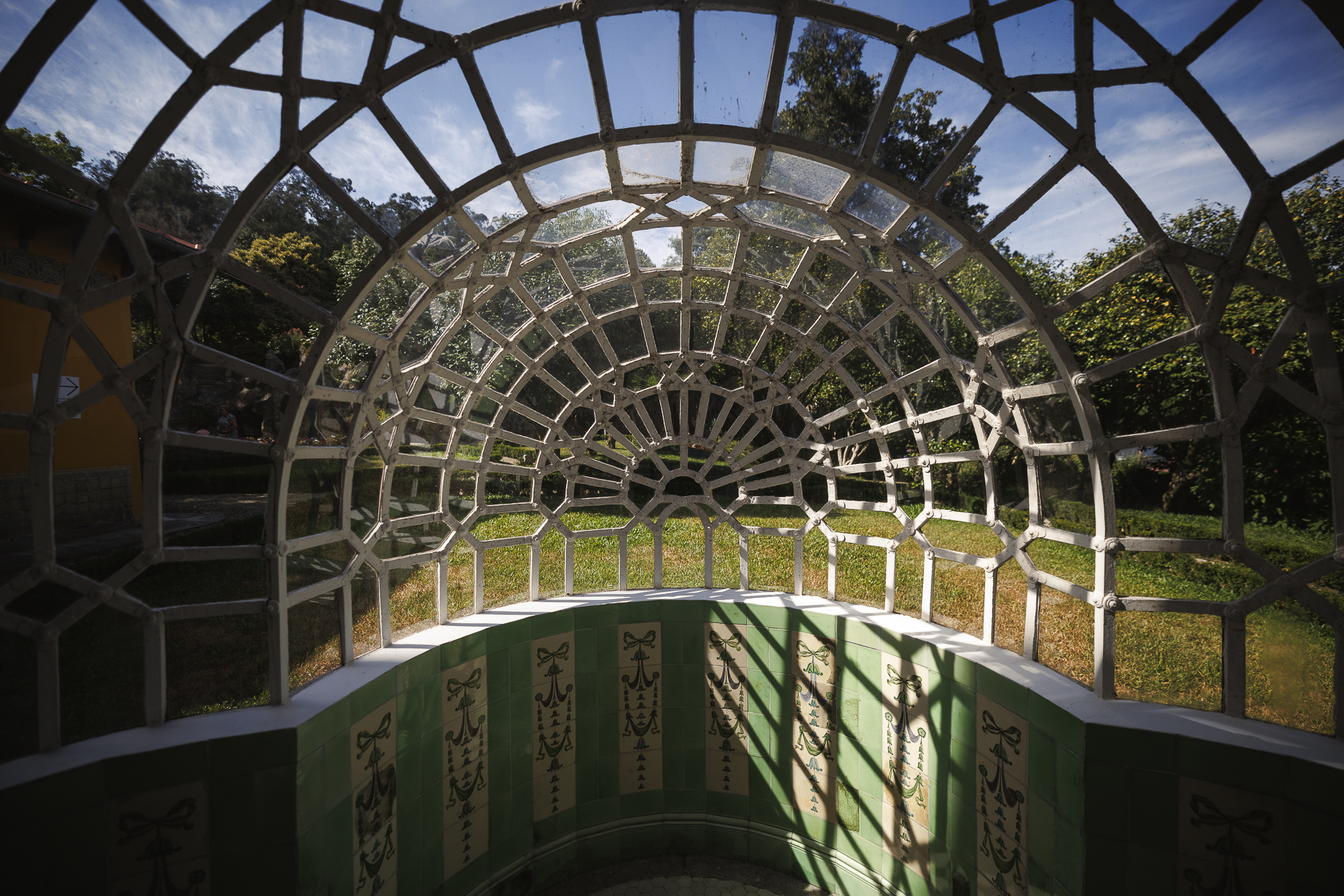
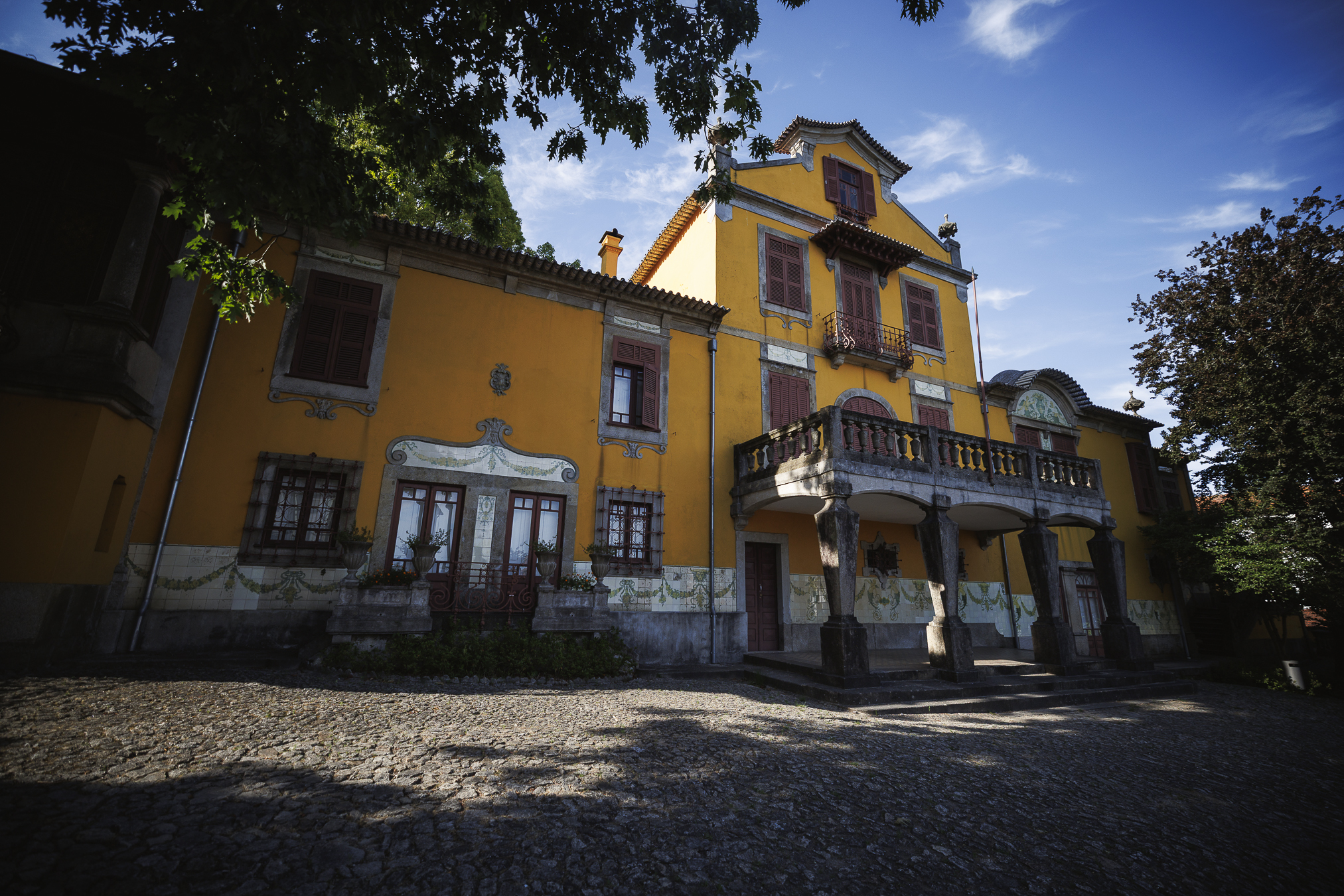
Originally a rural estate, transformed into an “eclectic and sophisticated” home by Marques da Silva and restored in 2019 to showcase contemporary art, Casa São Roque is now a place where heritage and artistic creation coexist under one roof. The initiative came from banker and art collector Pedro Álvares Ribeiro, who displays his collection there and is committed to an international program of events.
“This house is a very demanding lady; we have to take care of her every day,” says the president of Casa São Roque with a smile. Built in 1759, the house served as a hunting lodge where “the family didn’t even stay overnight.” In the 19th century, the property belonged to the family of Maria Virgínia de Castro, “known as ‘the green beauty’ because of her green eyes,” who would later marry António Ramos Pinto. It was the well-known Port wine producer and exporter who commissioned, in the first decade of the 20th century, the architect Marques da Silva to remodel and expand the house—a project that took “11 years without financial constraints”—using precious woods from Brazil, stucco work by the Meiras (which has now been restored by Luís Baganha), and metalwork from Paris.
In 1979, the estate and the house were purchased by the Porto City Council from the last owner, the grandson of Maria Virgínia and António. The furniture and the most important objects in the house were preserved and are still in use today as part of the Casa do Roseiral collection. Several decades later, through an agreement with the municipality, Álvares Ribeiro took on the restoration of the house to transform it into an arts center with “a unique quality and a remarkable program,” also contributing “to the international recognition of Portuguese artists.”
“The house is a true treasure, and we managed to restore everything,” he says with satisfaction, admitting that he had even wondered whether he would be able to “restore the house to its former splendor.” He succeeded, but it was “a major challenge” that took three years. In October 2019, the house—painted saffron yellow—opened to the public as an art center and has since hosted contemporary art exhibitions and cultural events.
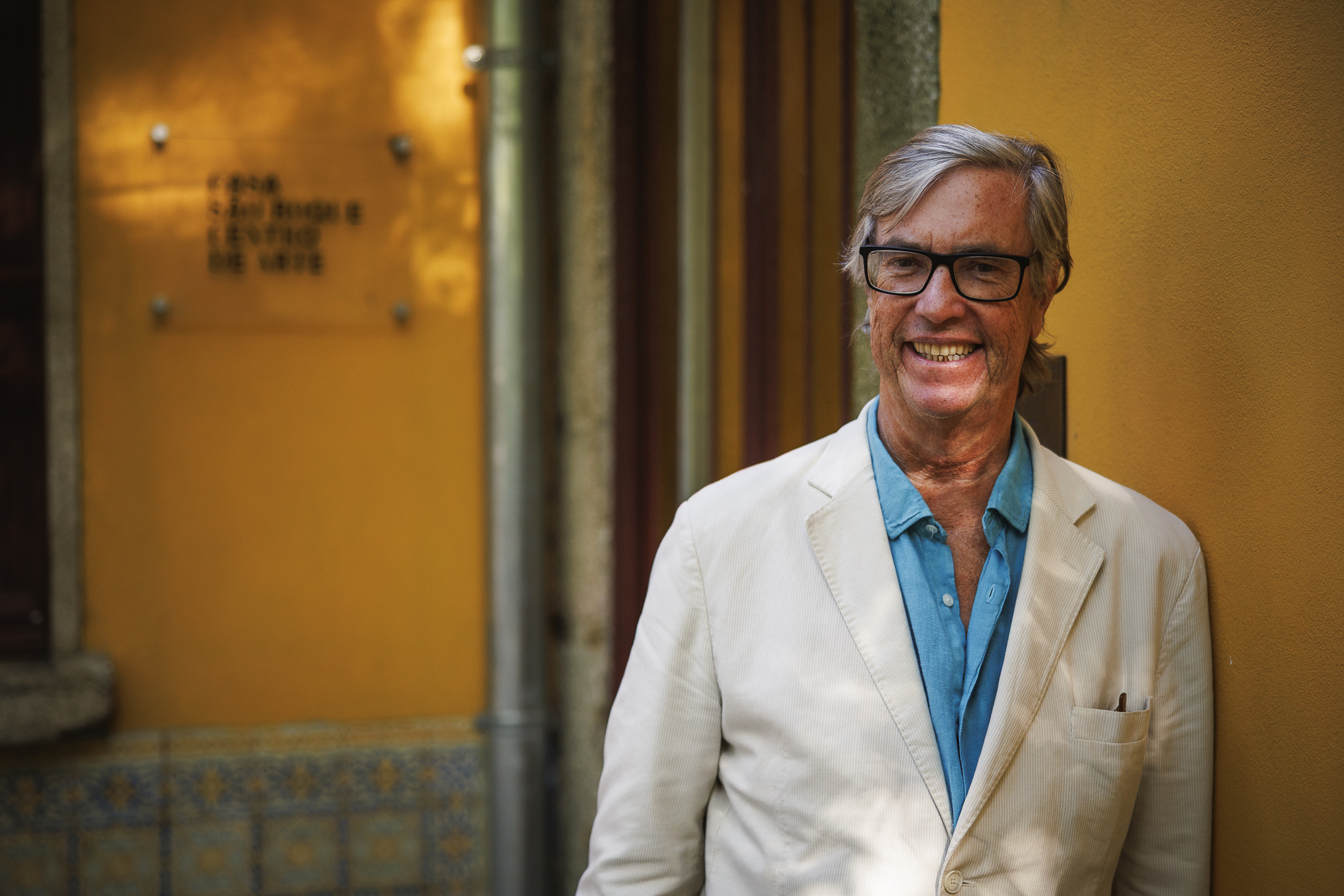
Pedro Álvares Ribeiro
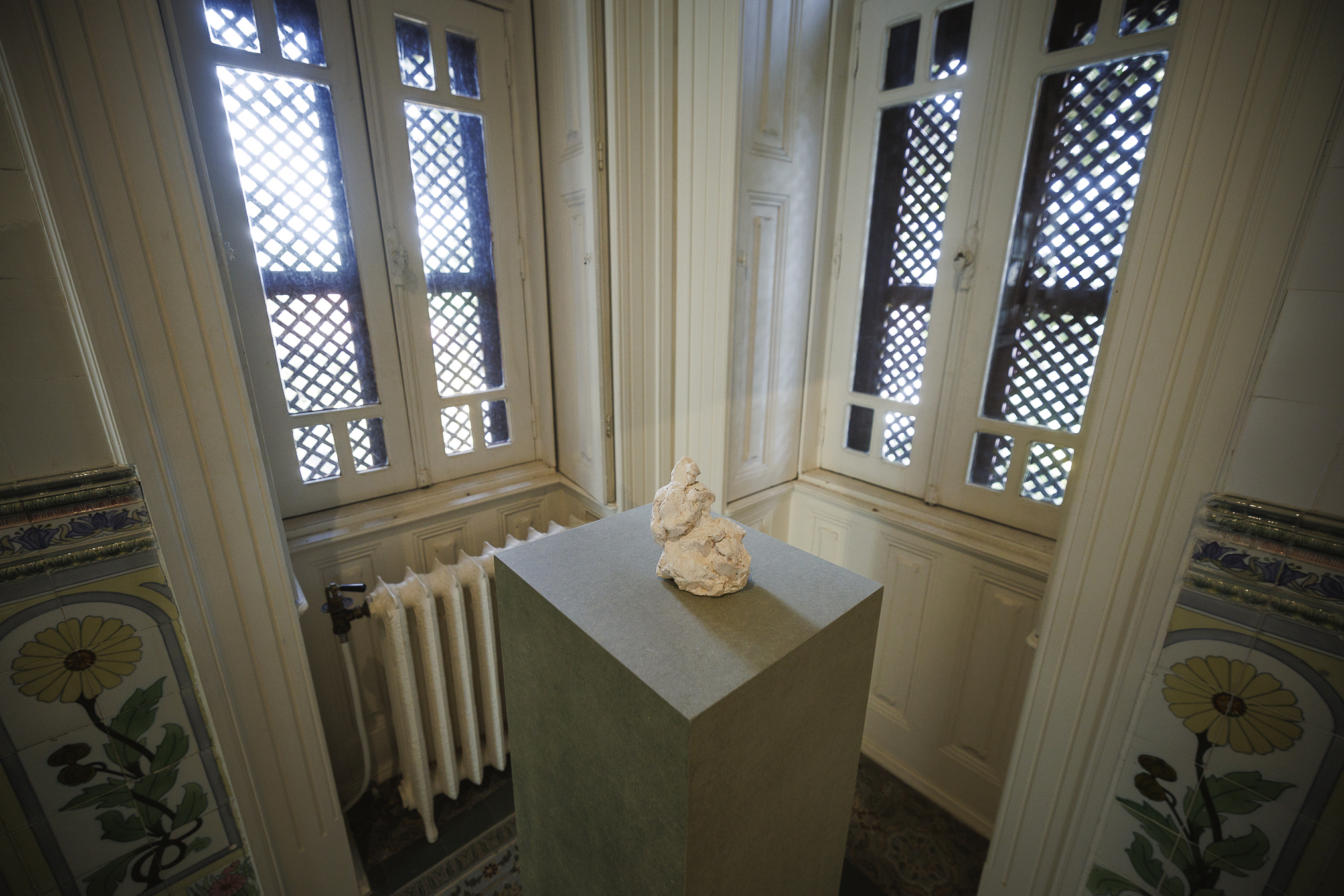
Casa São Roque hosts, on average, two to three exhibitions per year. Among the most notable is the exhibition Warhol, People and Things, dedicated to the work of American artist Andy Warhol, which featured “78 Polaroids that were shown for the first time in Europe.”
Through October 4, visitors can see “It’s a Pink Area,” curated by Anthony Huberman and featuring works by New York-based artists Marc Kokopeli and Sydney Schrader. On the 24th of the same month, an exhibition by Oficina Arara—a Porto-based collective founded in 2010—will open.
While the programming brings the space to life, the art collection is one of its main pillars. Álvares Ribeiro describes it as “a collection of artists,” echoing an idea from Nicholas Serota, former director of the Tate Modern: “The heart of museums is their collections.” “That is one of Casa São Roque’s strengths: having a collection that the artistic director decides whether or not to use,” he maintains.
With more than 700 works, it is considered “one of the great collections of contemporary art in Portugal.” Half of the works are by Portuguese artists and the other half by international artists, with only 40 artists represented. Among the examples cited are several works by Ana Jotta, Pedro Cabrita Reis, José Pedro Croft, and Rui Chafes. “We can trace the careers of some of these artists from 40 years ago to the present day.”
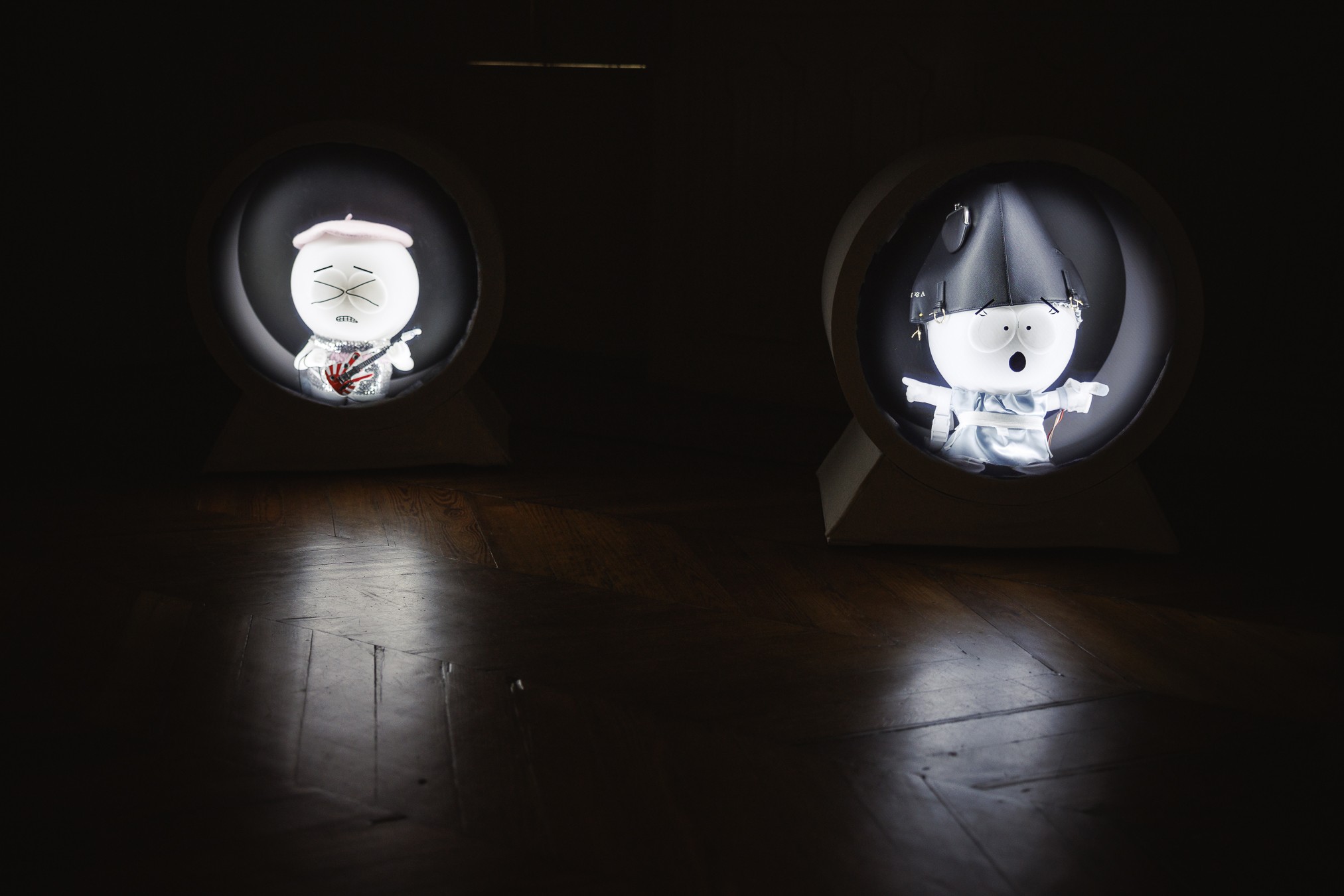
Obras de Marc Kokopeli © Guilherme Costa Oliveira
“A Porto institution for Porto and the world”
If the collection is one of the institution’s pillars, its connection to the local community is another. Álvares Ribeiro assures us that this is “one of the project’s top priorities.” “This is a home in Porto for Porto and for the world. And we have to be local; we’re from the eastern part of the city,” he states. In this vein, he notes that on Mondays, admission is free for residents of Campanhã. “This community didn’t really have an art center with this kind of programming before, but now it does.”
Also worth highlighting is the educational program "Discovering Through Art and Nature,” developed in partnership with the Cerco School District, and the free curatorial program “CSR Curating Classes,” aimed at students from all of Porto’s art schools and led by artistic director Daniel Baumann.
It’s also worth mentioning the garden at Casa São Roque, designed by Porto’s legendary gardener Jacinto de Matos. “This is one of the few gardens that remains as it was 100 years ago: a romantic garden with century-old camellias at its center, which bloom from November through April and create a true symphony of color,” describes Álvares Ribeiro. Among them, the 125-year-old Augusto Leal de Gouveia e Pinto camellia stands out, “considered one of the 200 most beautiful flowers in the world” by the Royal Horticultural Society.
In addition to the art exhibitions, the program includes jazz concerts in the garden—“the result of a partnership with ESMAE”—book presentations, and guided tours of the camellias with Armando Oliveira and António Assunção, “two leading experts.”
Tours of the exhibitions conclude in the house’s former kitchen, which has been transformed into a café filled with art books available to visitors and where vinho verde is served with almonds.
On the first Monday of every month, admission to Casa São Roque is free for residents of Portugal. Visiting hours are from 12:00 p.m. to 6:00 p.m. It is closed on Tuesdays.
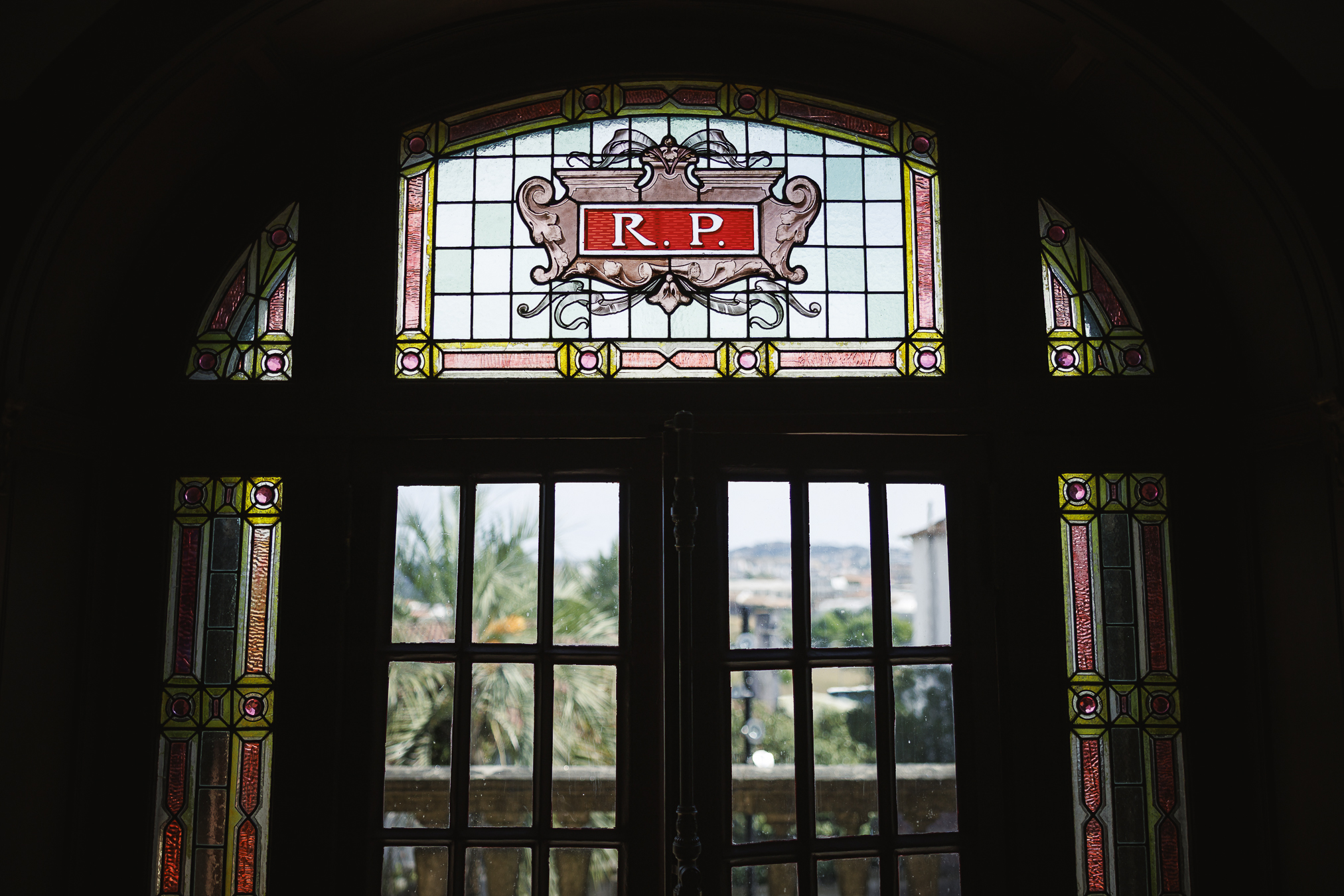
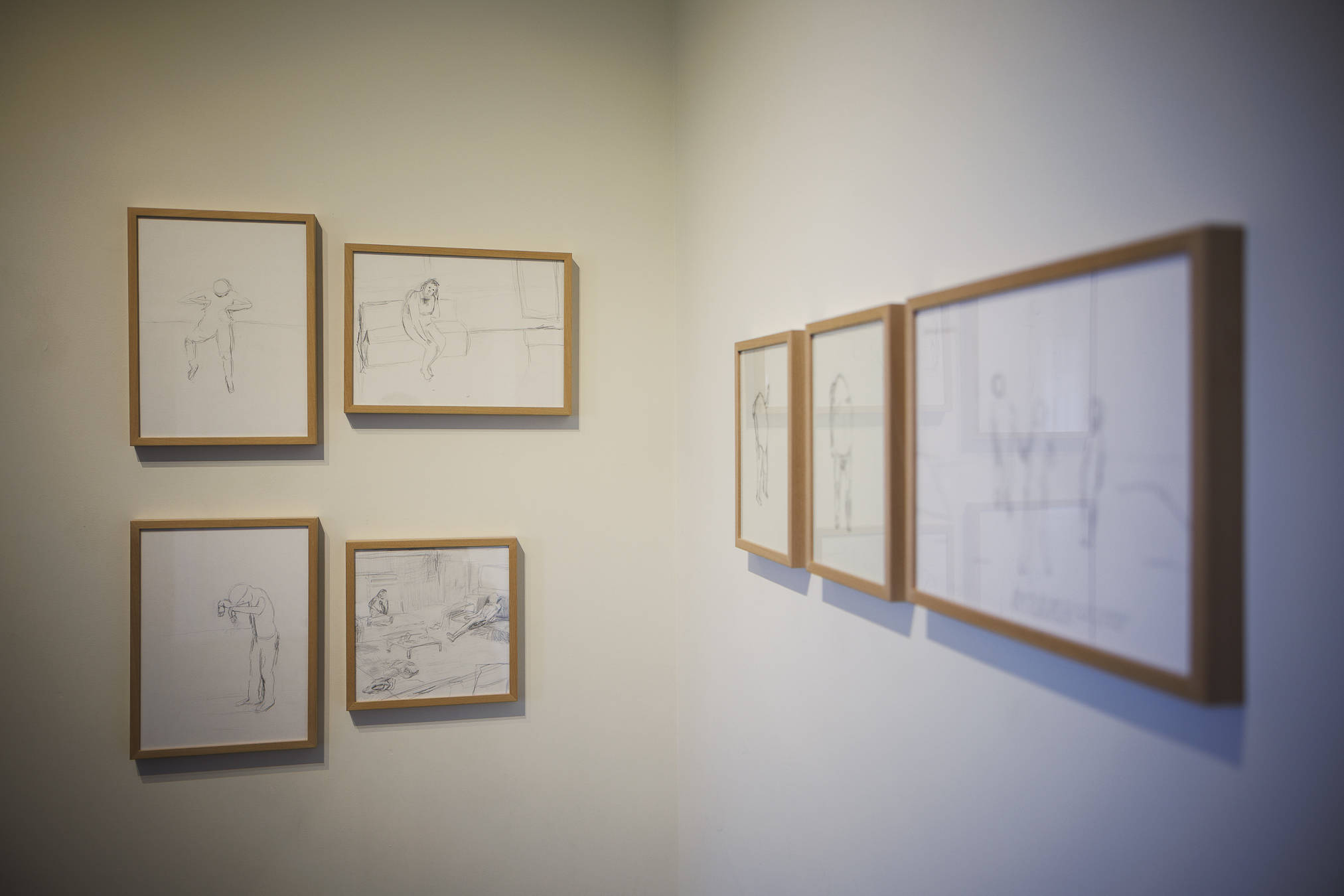
Fotografias © Guilherme Costa Oliveira
Casa-Museu Fernando de Castro
A surreal collection—without being surrealist
Anyone passing by number 716 on Rua de Costa Cabral would never imagine that there, behind the unassuming facade of that middle-class apartment building, lies a treasure waiting to be discovered: Fernando de Castro’s incredible art collection. And it’s no accident that we use the adjective “incredible”—it’s just that once we step inside, we’re reminded of the writer Natália Correia’s words: “I believe in the incredible.”
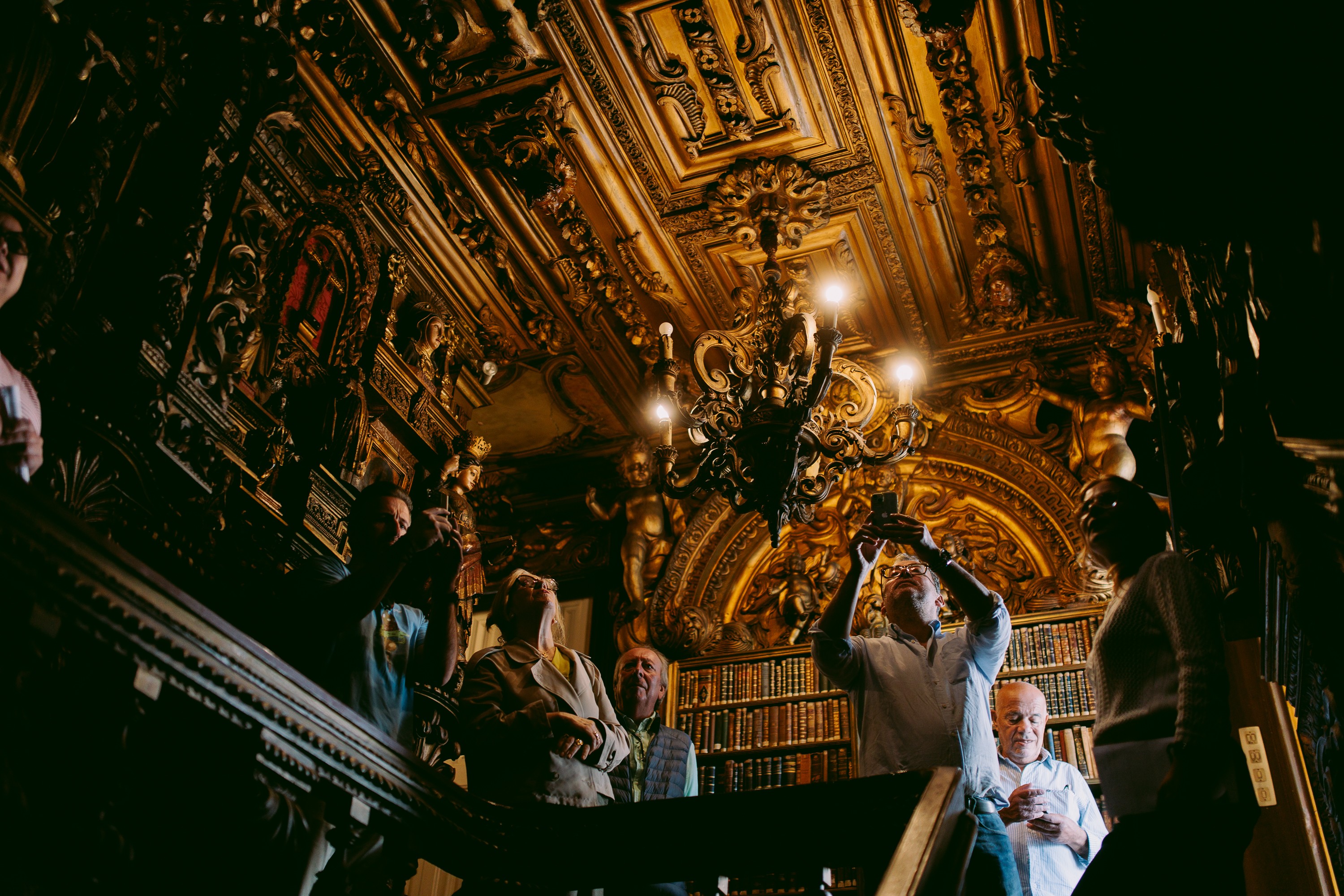
Poet, painter, caricaturist, and, above all, collector, Fernando de Castro (1888–1946) transformed his home into a sort of surreal museum (without being surrealist), where gilded woodcarvings, religious art, naturalist paintings, pieces from Caldas da Rainha, and countless objects gathered according to his personal taste coexist. There is a certain theatrical flair and a distinctive artistic touch in Fernando de Castro’s work, which seems to have taken the form of set design within these walls.
“This is a one-of-a-kind house-museum, curated to the collector’s taste,” our guide begins by telling us. “He collected everything that pleased him, whether it was art or not.”
The tour begins in the former living and reading room, the “Sala Minhota,” so named because the displayed pieces reveal a strong influence from this region through elements such as the “Corações de Viana.” Right there, we realize that Fernando de Castro was not just a collector; he was also an inventor. Many of the pieces were designed by him and crafted by skilled woodworkers, such as a bookshelf inspired by an ox yoke or a frame for a photograph of his parents that is, in fact, the headboard of a bed.
Virtually the entire house is adorned with gilded wood carvings in the Baroque style, sourced from churches and convents that were closed after the establishment of the Republic—a cultural heritage that Fernando was determined to preserve.
In the dining room, designed to resemble the interior of a chapel, an ornate gate “is a faithful replica of one found in the Church of São Francisco.” “He saw it, liked it, copied it, and had it built,” says Anabela Ribeirinha, a technical assistant at the Soares dos Reis National Museum. Our guide adds that “a characteristic of house-museums is that there is always a table set in the dining room,” but that this is not the case here because Maria da Luz, Fernando’s sister, took with her the objects that “evidenced family life, which showed that it was a residential home.”
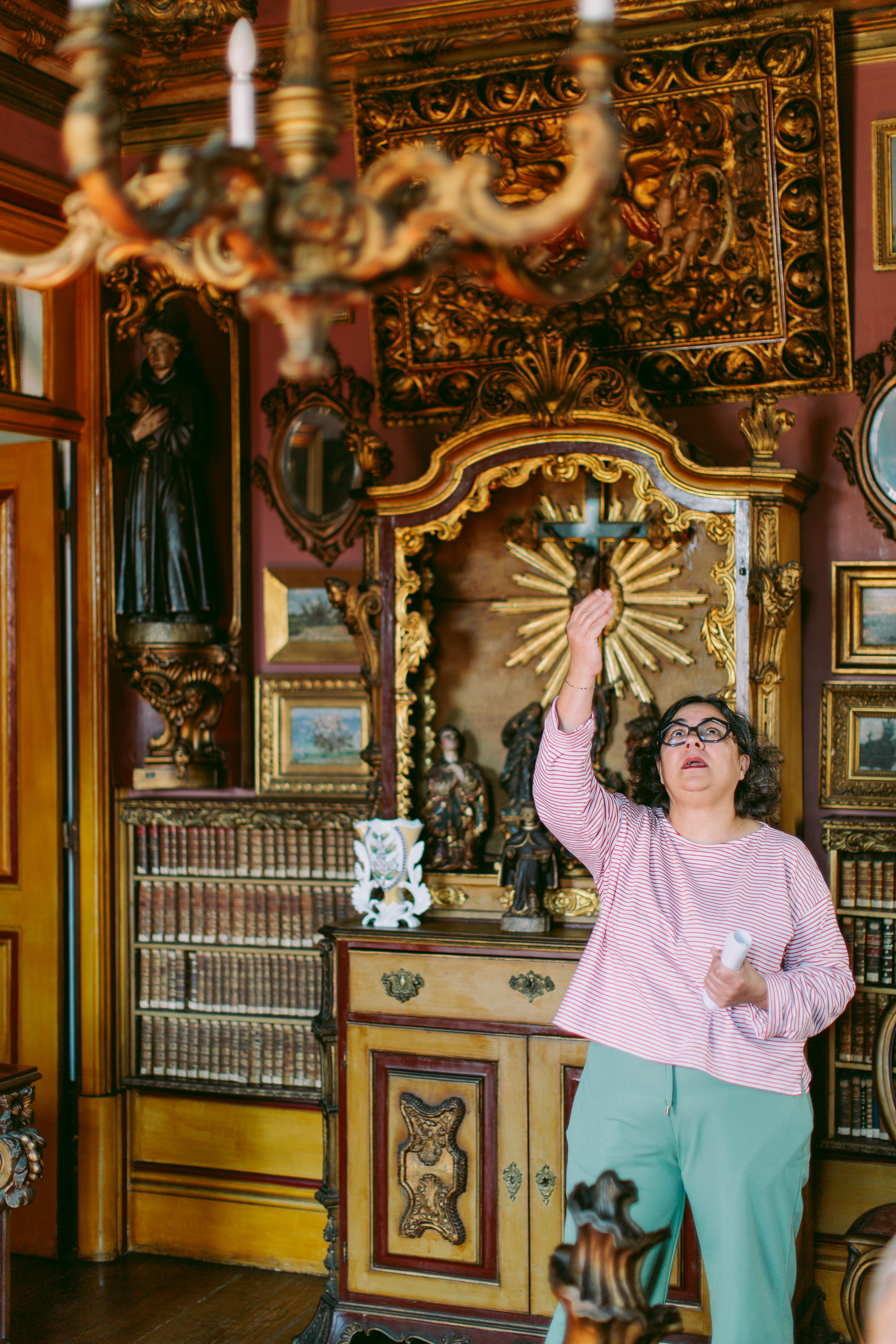
Anabela Ribeirinha
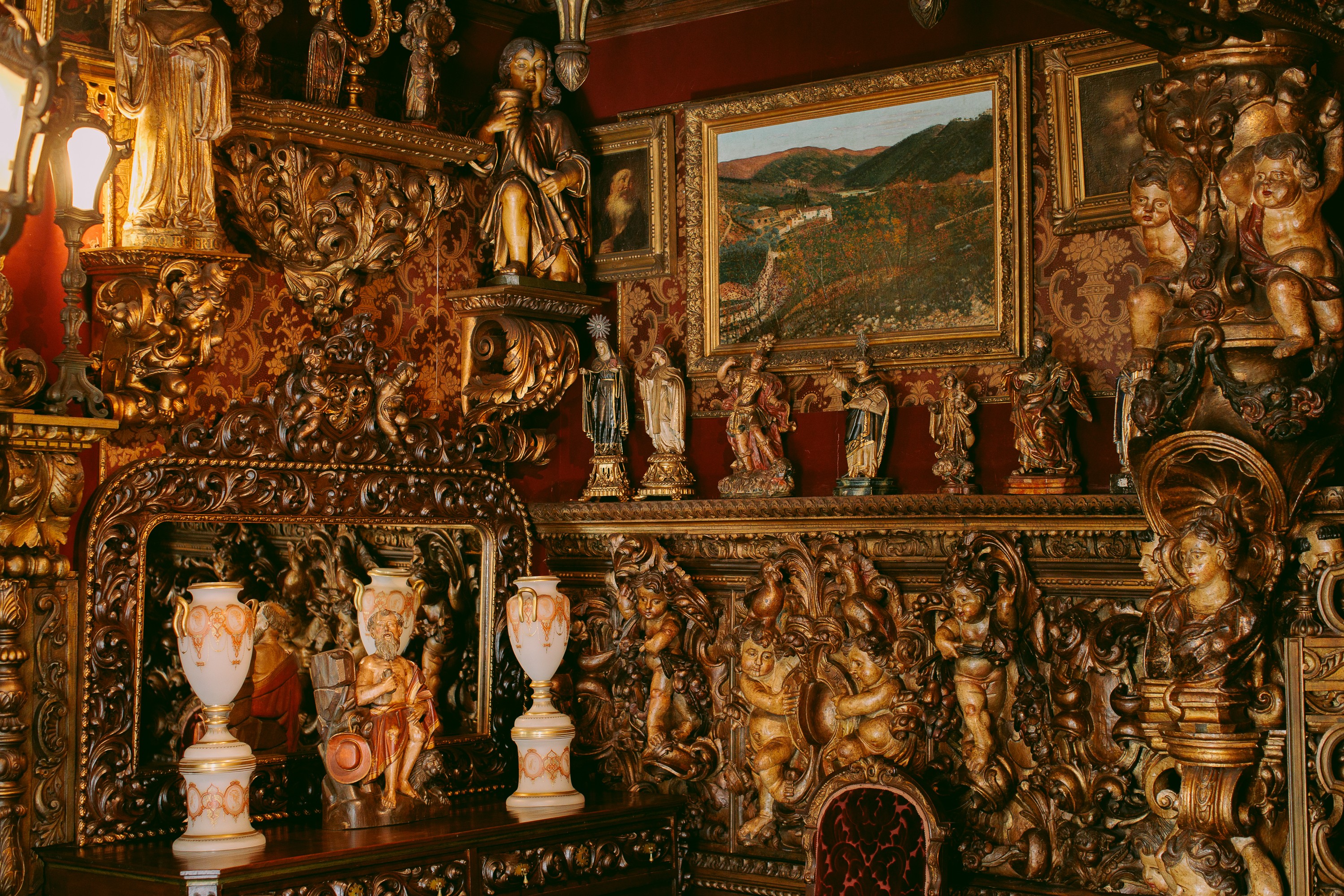
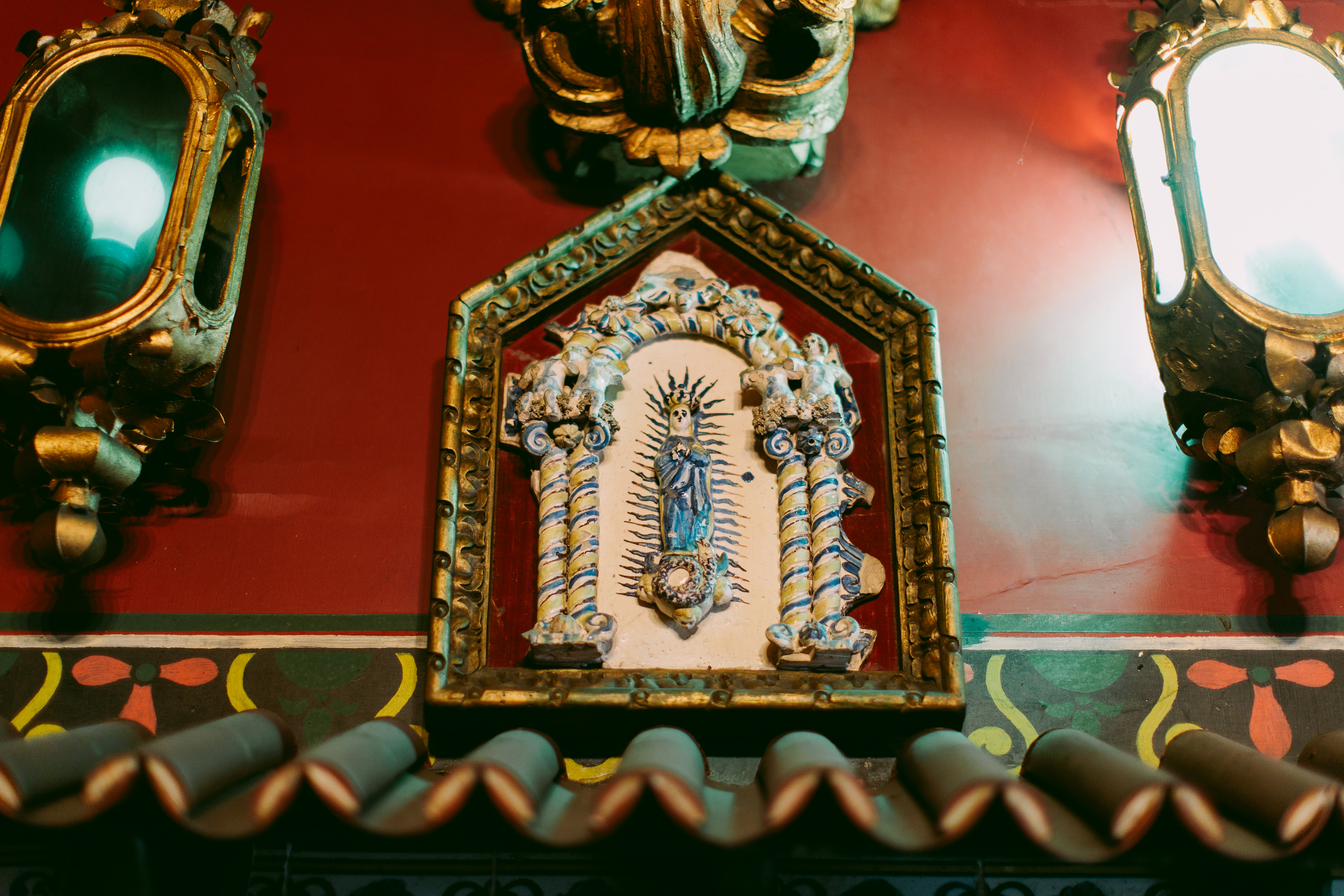
We went up to the first floor and came upon the Golden Room, a more spacious and bright room where the woodcarvings are more vibrant. It is a sort of ballroom, “inspired by the Palace of Versailles and the Palace of Queluz,” and stands out from the other rooms due to the abundance of mirrors that line its walls and the absence of religious imagery.
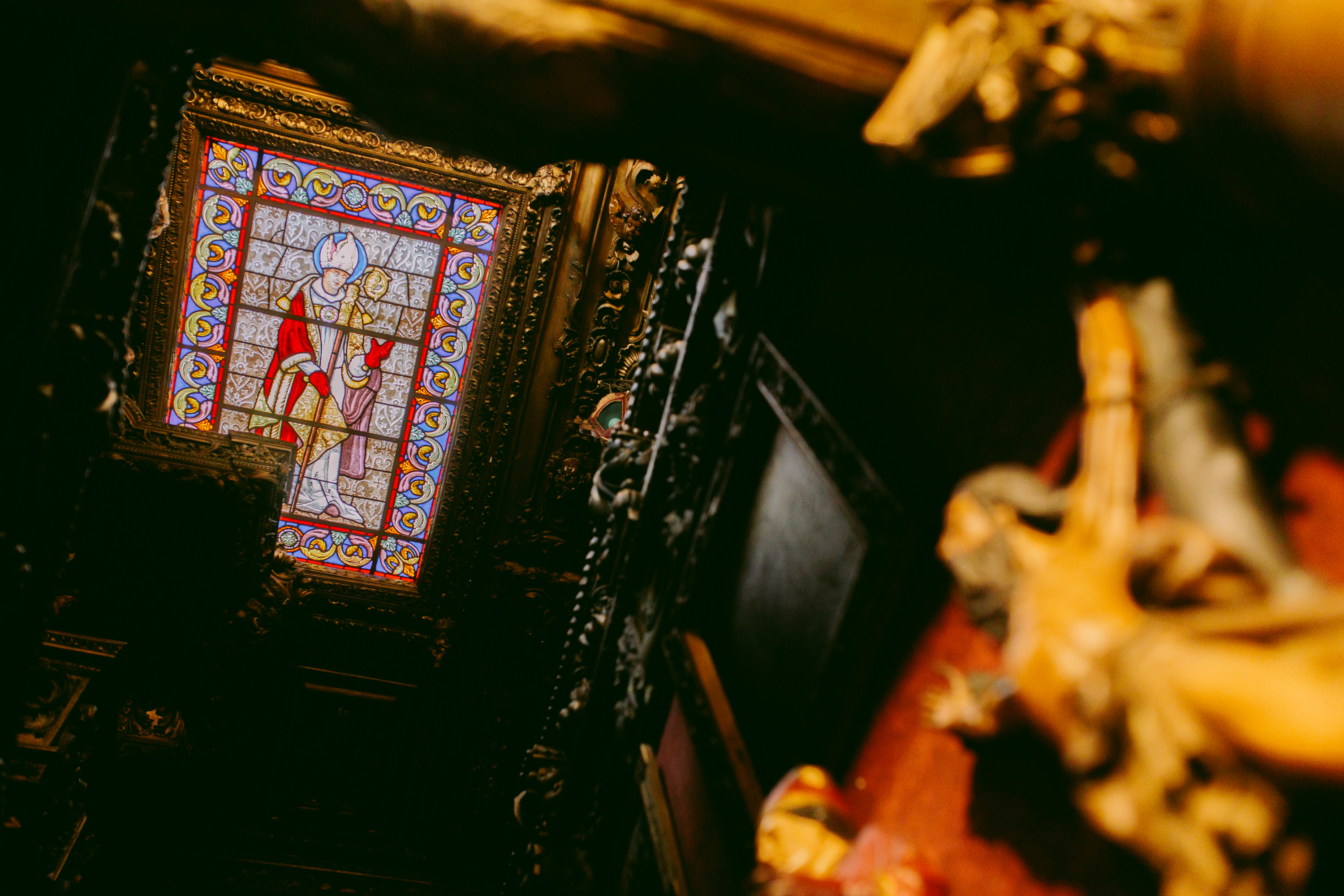
The staircase leading to the top floor is a prelude to awe, where the gilded woodcarvings become darker and heavier, seeming to overwhelm visitors. There is an inaccessible pulpit, and the only source of light is a stained-glass window in the ceiling.
In Fernando’s former office, two of his six books are on display: Meteoro and Altar sem Culto. According to the museum’s coordinator, Ana Mântua, it is still possible to find “some lost editions” in used bookstores. Next door, in the Blue Room, oriental objects appear that contrast with the dominant sacred imagery.
The only room where restraint reigns is his sister Maria da Luz’s former bedroom. In this space, the white walls are now covered with caricatures drawn by Fernando—small visual satires that reveal his subtle sense of humor and penchant for puns: he liked to associate people’s names with places in the country. In the bedroom, we find objects that encapsulate Fernando’s irreverent and playful spirit, such as two pieces of pottery from Caldas da Rainha, tucked away on the nightstand: the John Bull chamber pot and the ceramic spittoon designed by Rafael Bordalo Pinheiro.
The scarcity of documentary sources continues to shroud Fernando de Castro in an aura of mystery. “Not much is known about his life,” says the guide. “After his death, his sister moved into the house across the street and took with her the documents that might have helped uncover the origin of the collection.”
It is known that he inherited the house and business from his father and that, beginning in 1918, he devoted himself intensely to the collection that would eventually fill the entire house. In 1944, he opened it to the public on a one-time basis, and two years later, he died without leaving a will. It fell to his sister to fulfill his wish to turn the house into a museum, and in 1952, the building was donated to the Soares dos Reis National Museum.
To visit the Fernando de Castro House Museum, you must make a reservation in advance through the Soares dos Reis National Museum website, subject to availability. Group tours are limited to 10 participants.
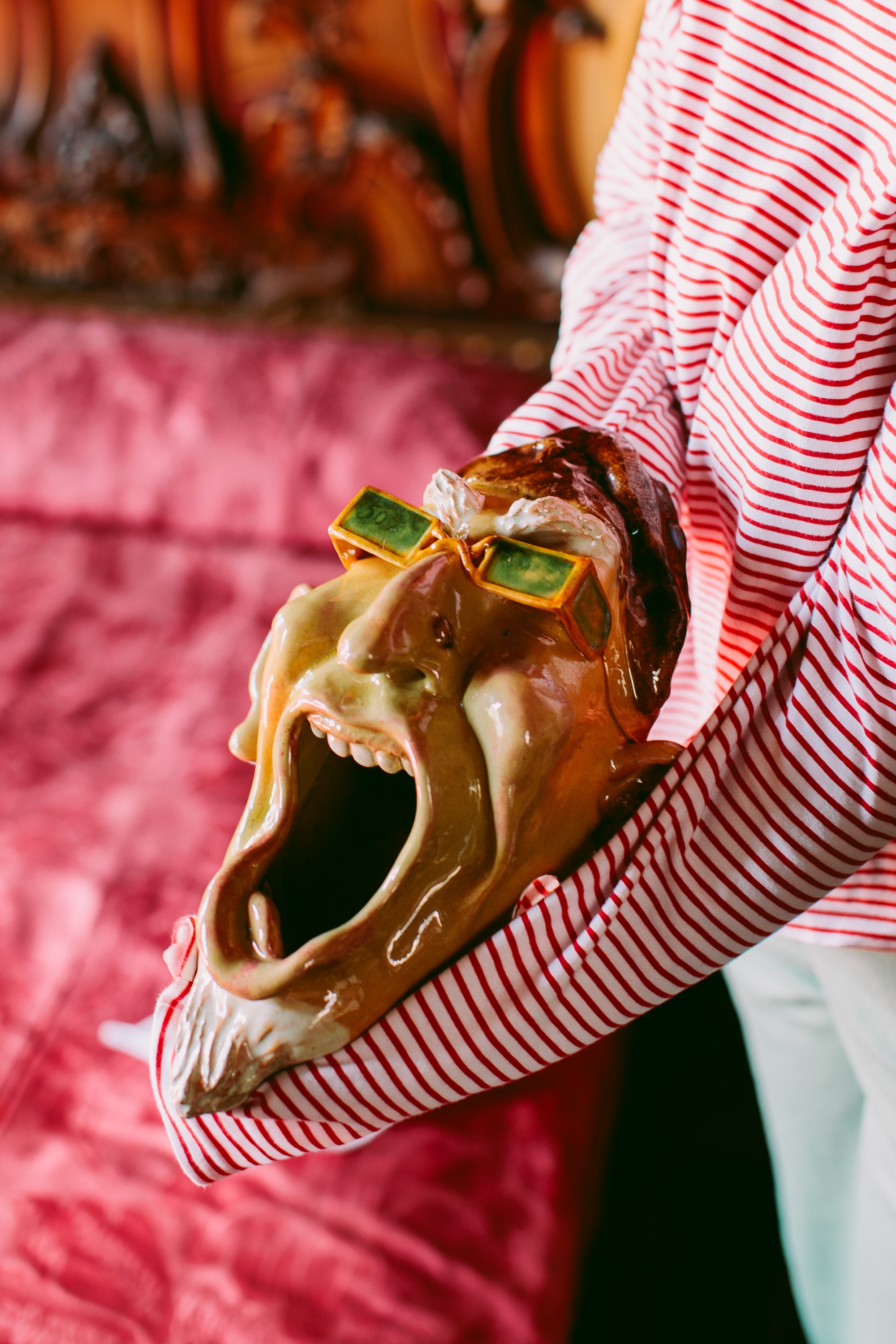
Ceramic spittoon by Bordalo Pinheiro
Fotografias © Renato Cruz Santos
Share
Relacionados

Exhibition
