

EN

Artwork by Nicola Bracci at Raiz em Movimento © Renato Cruz Santos
julho/ agosto 2026
These are projects that differ in scale and ambition, but are united by a shared conviction: that creation involves building places where people can come together. These spaces share a desire to experiment and pave the way for contemporary art in Porto, building communities around artistic creation.
PLATO
When PLATO opened on Rua de Brito Capelo in January 2025, it already had a sister gallery in the Alentejo. Three years earlier, Diogo Ramalho, originally from Porto, had opened a gallery in Évora, where he was living after years in Lisbon. Once the project was firmly established, and following a philosophy of “decentralising content and exhibition spaces” away from the capital, he decided to replicate it in his own city, where he believes “the art scene is more daring”: “In Porto, there has always been more experimentation, and that’s a wonderful thing”.
Ramalho describes PLATO as “a space primarily focused on emerging artists, which aims to foster dialogue between the country’s various regions and to bring artists from Porto to other places, and artists from elsewhere to Porto as well”. He describes it as a “hybrid” project, as although it is a commercial gallery, it also presents “a series of experimental projects” and has an associated editorial line. “Every month we interview an artist who has previously exhibited here,” he explains. The conversations are shared on PLATO’s digital channels and, at the end of the year, compiled into a printed publication. The gallery also publishes books to accompany some exhibitions and has launched the biennial magazine Hedone, for which it invited four artists to write free-form essays on the theme of ‘pleasure’.
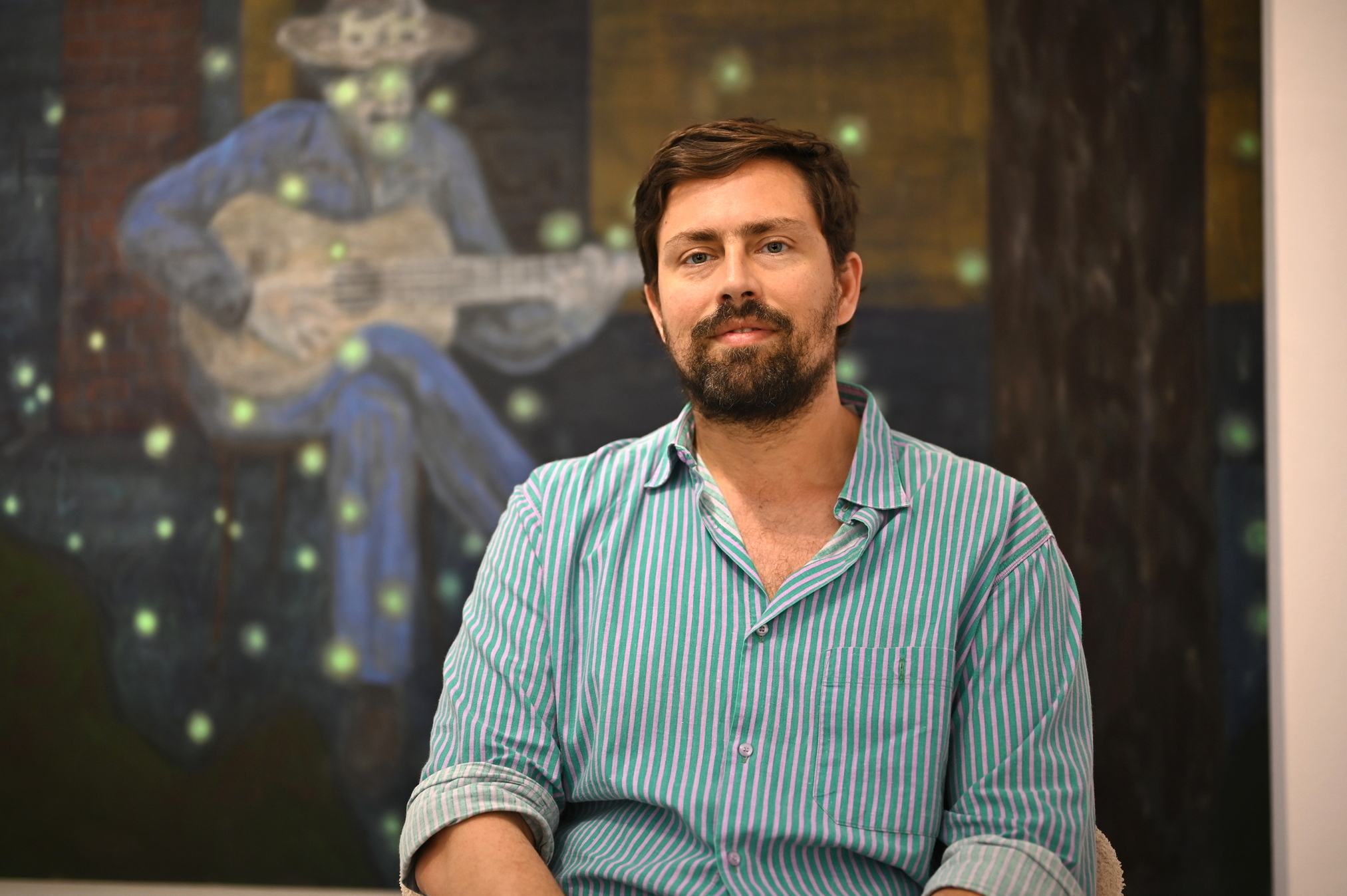
Diogo Ramalho, PLATO © Rui Meireles
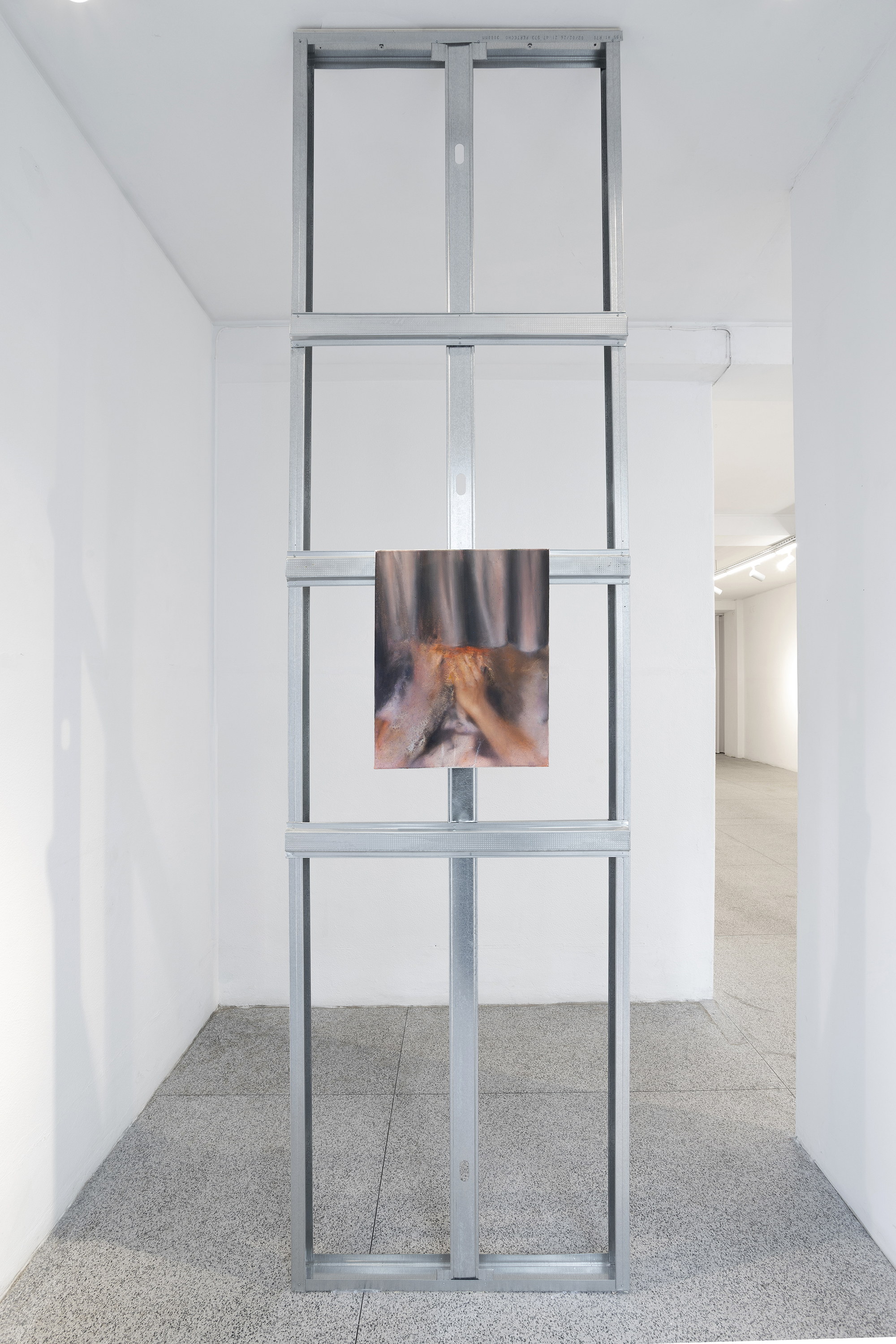
© Carlos Campos
The gallery is divided into three spaces: “a project room at the front, dedicated to a single piece by an artist from Porto or a resident of Porto; Room 2, which is a larger space in the centre; and, at the back, the third room, for the collection or other exhibition content”. When asked to highlight some of the artists who have already exhibited there, Eduardo António mentions Hernâni Reis Batista, Abel Motta and Tiago Rocha Costa, adding that “almost everyone” he has worked with “is fantastic”.
Two artistic dialogues – one between Hernâni Reis Batista and Renato Chorão, the other between Tomás Zott and Fernando Moletta – are what the public can expect from Circuitos, an initiative that Ramalho considers “very interesting”, whether for the extended opening hours of the galleries, the bringing together of the venues on a map, or the “creation of the idea of a route”.
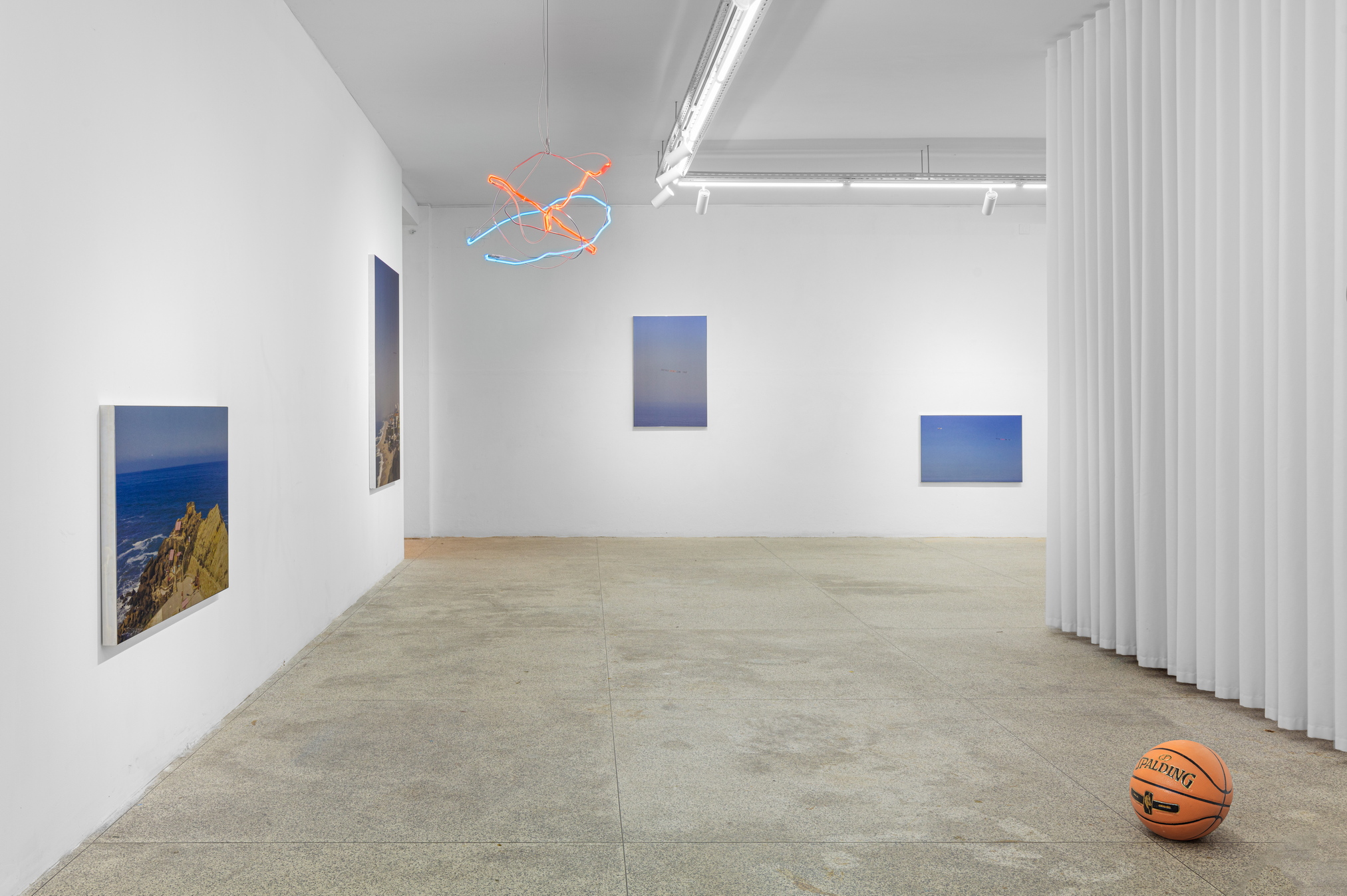
© Samuel Duarte Figueiredo
CATAPULTA
We now turn our attention to a venture that hasn’t even been around for a year. CATAPULTA was founded in September 2025 by two friends, Daniel Lamas and Tiago Castro, with the motto “create, launch, repeat” and the following aim: “to promote the creativity, visibility and diversity of emerging artists, embracing new ideas, launching and fostering artistic pluralism”. Since then, the gallery space has hosted works ranging from painting and drawing to sculpture, photography, textile art and performance art.
Speaking to Agenda Porto, Daniel Lamas explains that CATAPULTA differs slightly from the city’s other galleries, as it “opens new exhibitions every fortnight” and has a more accessible feel compared to “more conservative spaces, which are difficult to get into”. Furthermore, according to the gallery owner, it benefits from the ecosystem of the Bombarda Shopping Centre, where it is located: “We fit in very well; there’s a very strong sense of community here, there’s a lot of mutual support, and we feel we benefit from that too”. He gives the example of their opening days, when they call on their neighbours – serving wines from Cave Bombarda and snacks from Pimenta Rosa.
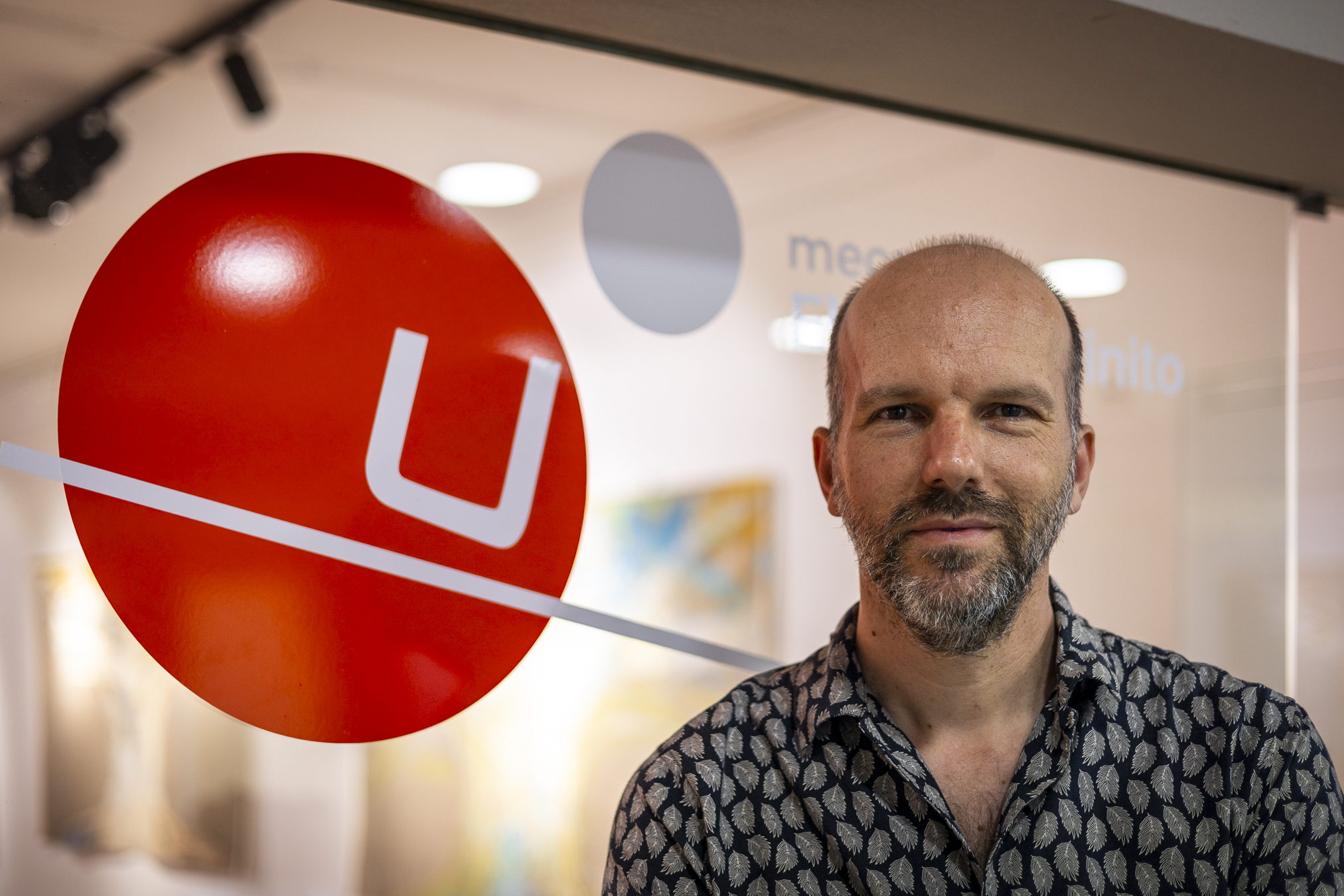
Daniel Lamas, CATAPULTA © Sofia Hugens
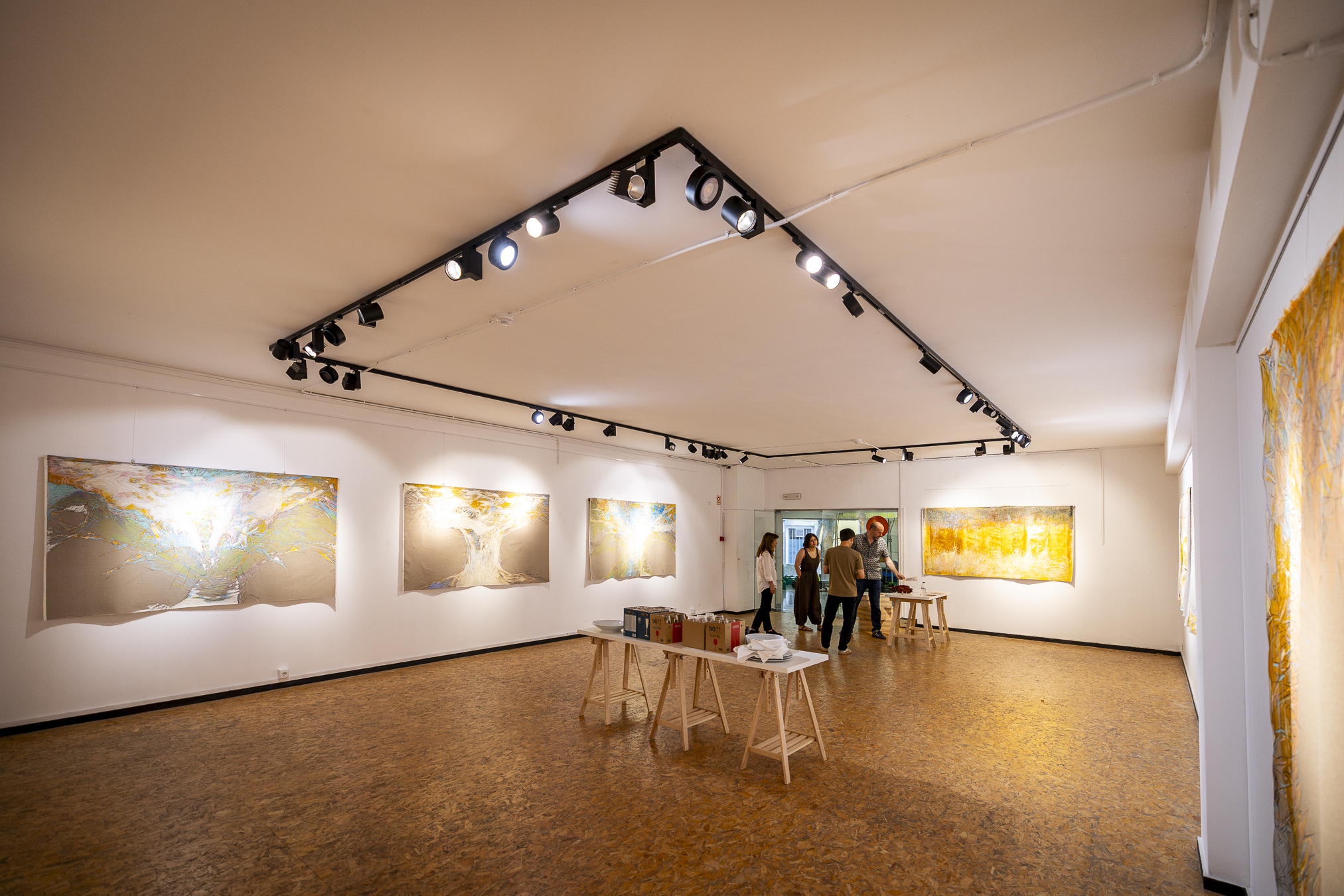
Galeria CATAPULTA © Sofia Hugens
At CATAPULTA, there is room not only for emerging artists but also for artists who are new to the city. This was the case with Silvia Salvagno, an Argentine artist who recently moved to Porto and was chosen to open the venue. Lamas states that the foreign community living in Porto actually makes up a significant proportion of visitors: “some have been coming to every exhibition since the very beginning”.
Artists from the United States and France, as well as several Portuguese artists – such as the photographer Alexandra Cabral, the architect and painter Marta Lemos, and even a collective of students from the Soares dos Reis School of Art (in response to an open call) – are among the names already ‘catapulted’ by the gallery, which has a full programme booked until the end of the year.
During the Circuitos event, oil paintings by Beatriz Prada will be on display, created under the theme ‘being is a secret revealed only to those who are’. The young artist from Porto, a graduate of the Faculty of Fine Arts of the University of Porto (FBAUP), explains that she wanted to reflect on ‘tables’ as places for ‘meetings’, ‘work gatherings’ or ‘birthdays’, and more specifically on ‘that moment which is the void between one event and another, between dinner and socialising, and clearing the table at the end”. With her style, which is “a little bit impressionist, expressionist, not too literal”, she says she tried to capture an “atmosphere” that is very common in Portuguese culture and make us think about “how we manage to identify with other people’s tables”.
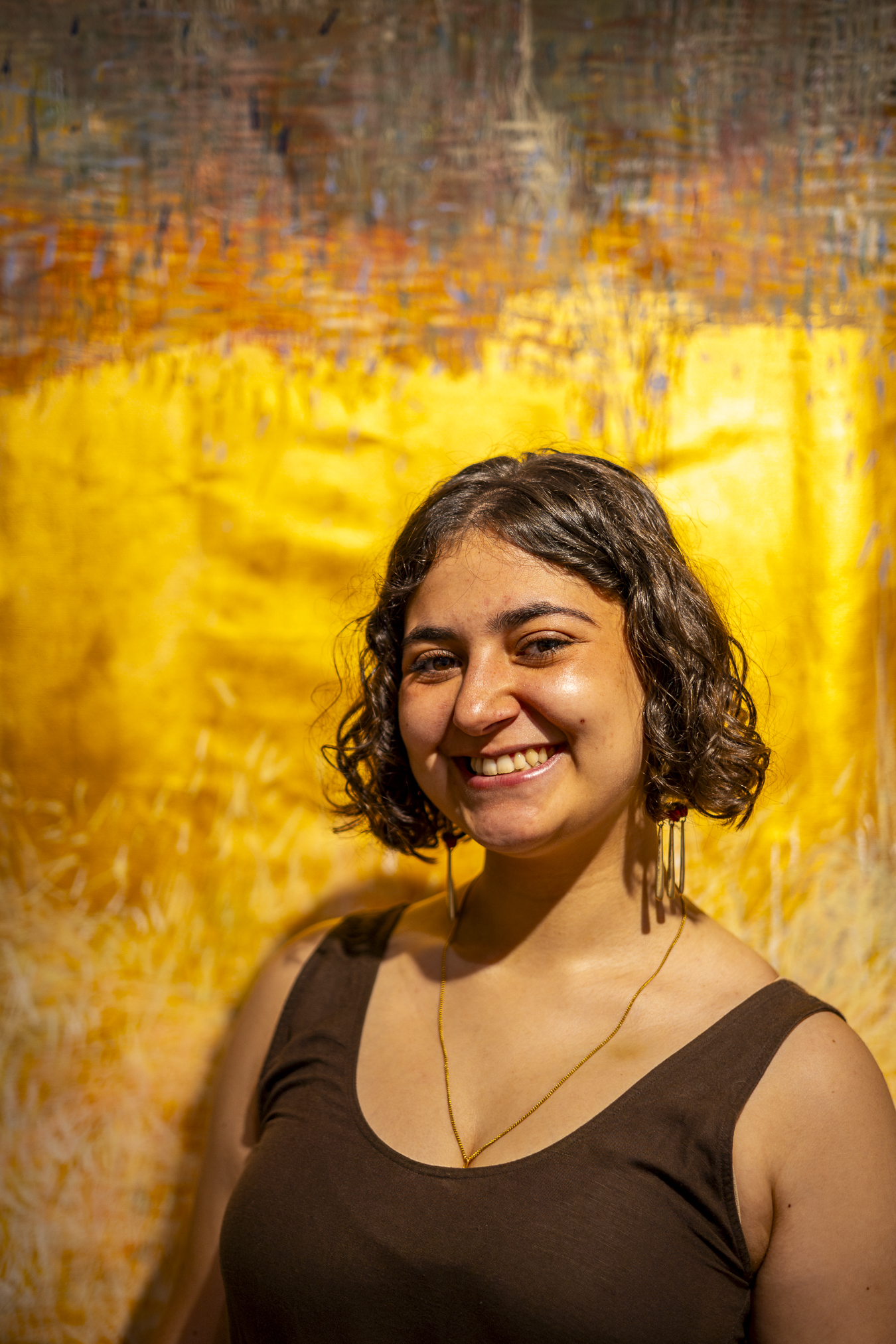
Beatriz Prada © Sofia Hugens
Now that it is based in Bombarda, CATAPULTA has been part of the Simultaneous Openings network for a few months – an event that takes place every two months in the neighbourhood – but it believes it is beneficial and important to now join forces with venues in other parts of the city to form a circuit.
INSTITUTO
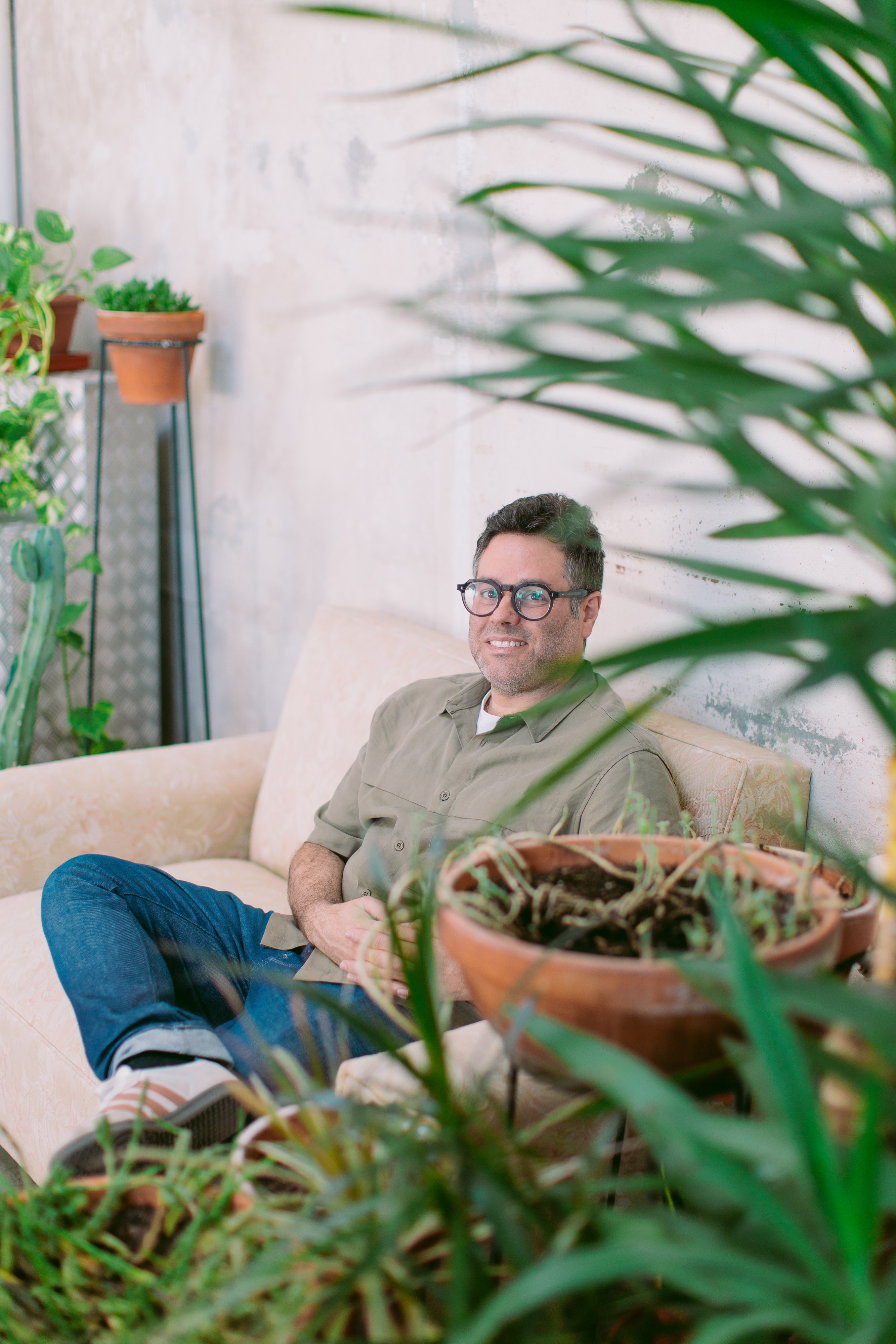
Paulo Moreira, diretor artístico do INSTITUTO © Renato Cruz Santos
From Miguel Bombarda, we head down to Rua dos Clérigos, where, at number 44, the INSTITUTO is located. The name of this cultural space preserves the memory of the building which once housed the warehouses of the Pasteur Institute. After passing through a dark tunnel, you emerge into a sun-drenched courtyard with blue-painted walls, interrupted only by a piece by the artist and activist Miguel Januário, known as ±MAISMENOS±. “We are not a loan”, reads the wall, one of the political messages that characterise his artistic work.
Paulo Moreira, architect and artistic director of INSTITUTO, was looking for a space to set up his studio when he discovered that abandoned building right in the heart of Porto’s historic centre. Realising that the space was much larger than he needed, the idea arose to create a project that went beyond architecture and incorporated the visual arts, critical thinking and interdisciplinary collaborations. “The desire to open our doors and interact with people and groups not only from architecture but also from other disciplines ended up being a starting point,” he tells Agenda Porto.
Today, the INSTITUTO has a team of 12 people from various countries and organises a programme that combines exhibitions, talks, workshops, publications and artist residencies with national and international participants. Since its opening in December 2018, it has organised 48 exhibitions, 112 talks, 27 workshops, 14 guided tours, 32 installations, 12 festival editions, 37 artist residencies and six publications. “There is diversity, but also intensity in the cultural programme,” sums up the artistic director.
Architecture remains at the heart of its identity, and the relationship with urban space runs through the entire programme. “Many projects by the architects, photographers, visual artists and researchers who pass through the INSTITUTO take this perspective on urban space,” explains Paulo Moreira. “It is a perspective on the local context, on what is happening around us in Porto’s city centre”, but also “on the outskirts, hidden or marginalised areas, and issues linked to our colonial heritage and history”. And, on this subject, he argues that “one of the roles that independent spaces linked to art and culture must take on is to create discomfort and question complex issues”. “We try to open up these dialogues through artistic creation, always with the architectural or urban dimension in mind.”
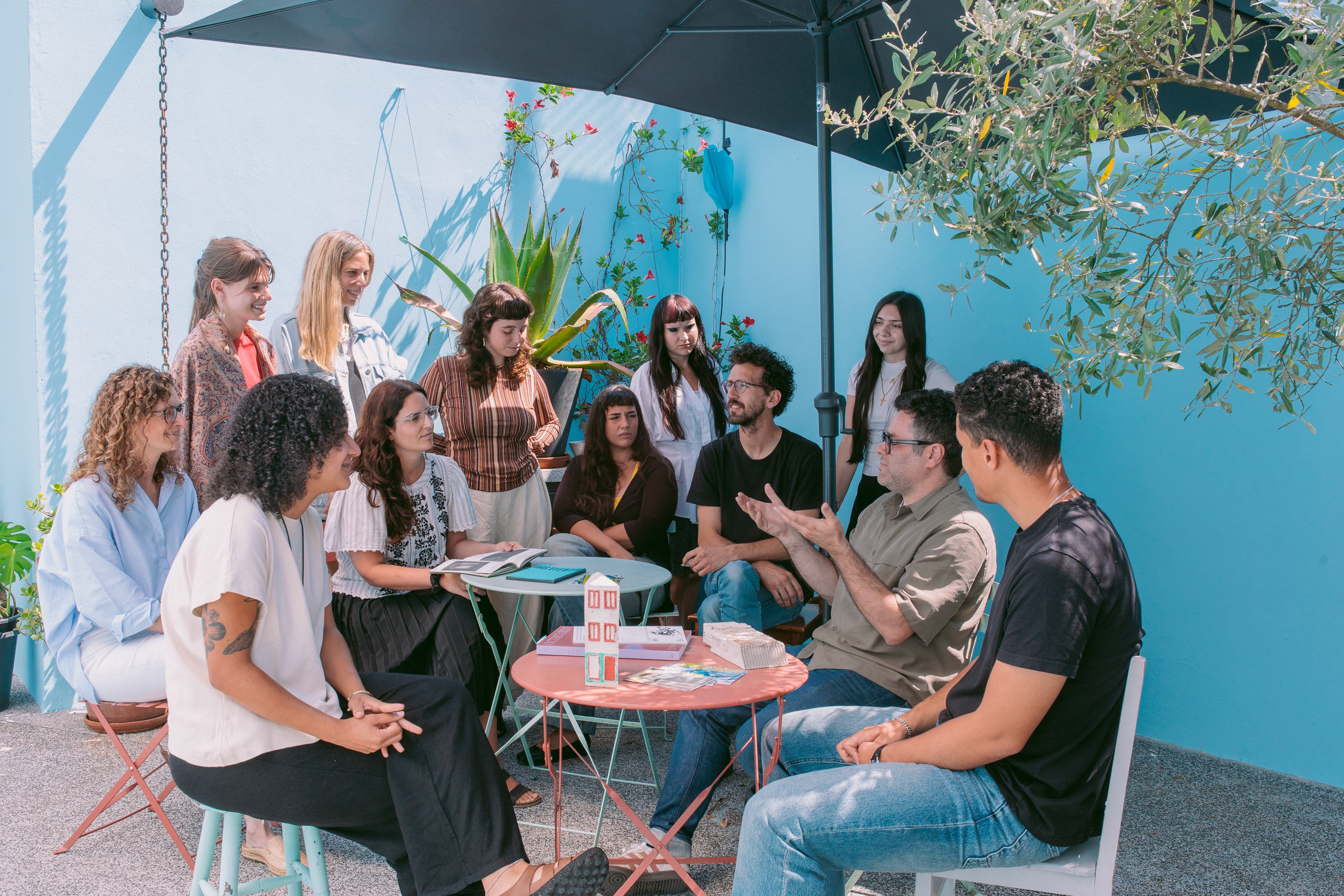
Paulo Moreira e a equipa do INSTITUTO © Renato Cruz Santos
In his view, the INSTITUTO has come to occupy “a significant role in the dissemination of and reflection on architecture and spatial practices” within a national landscape where there are few projects with similar characteristics. According to Paulo, artist residencies play a decisive role in this context by facilitating encounters with international creators: during their stays, artists and architects develop projects and publicly share their working processes, creating opportunities for dialogue with the community. In this regard, he highlights the InResidence programme, run by Porto City Council, which promotes artist residency opportunities with accommodation included, through which the INSTITUTO has invited artists and architects from various African countries.
In 2024, to mark the fifth anniversary of that cultural space, the book Aprender a Desaprender was published, compiling the conversations of these guest creators on the theme of decolonisation; the following year, it received the FAD Prize for Thought and Criticism in Barcelona, an Iberian award dedicated to publications on architecture. For Paulo Moreira, this recognition “motivated him” and reinforced the importance of continuing to work on themes that often remain on the margins. “Sometimes these are subjects that do not even feature in discussions of contemporary architecture, but I find it interesting to look beyond the boundaries of the discipline.”
The same interdisciplinary approach is reflected in the Arquiteturas Film Festival, the INSTITUTO’s “largest annual project”, whose 13th edition takes place from 1 to 5 July at various venues across the city. Under the theme “Época Urbana”, the programme brings together 33 films from 22 countries, alongside debates, installations and urban walks dedicated to the many dimensions of city life. “The films serve as an anchor for a range of other activities that ultimately transform this initiative into something more than just a film festival,” says the artistic director.
“We want to go out into the city, build networks and create a walking route in which the city itself takes centre stage,” explains Paulo Moreira, highlighting the various partnerships that have been established with other independent venues, such as Térmita and Circo de Ideias, and with institutional venues, such as the Batalha Cinema Centre and Casa Comum. “There is this ongoing desire to forge links with other projects and other venues.”
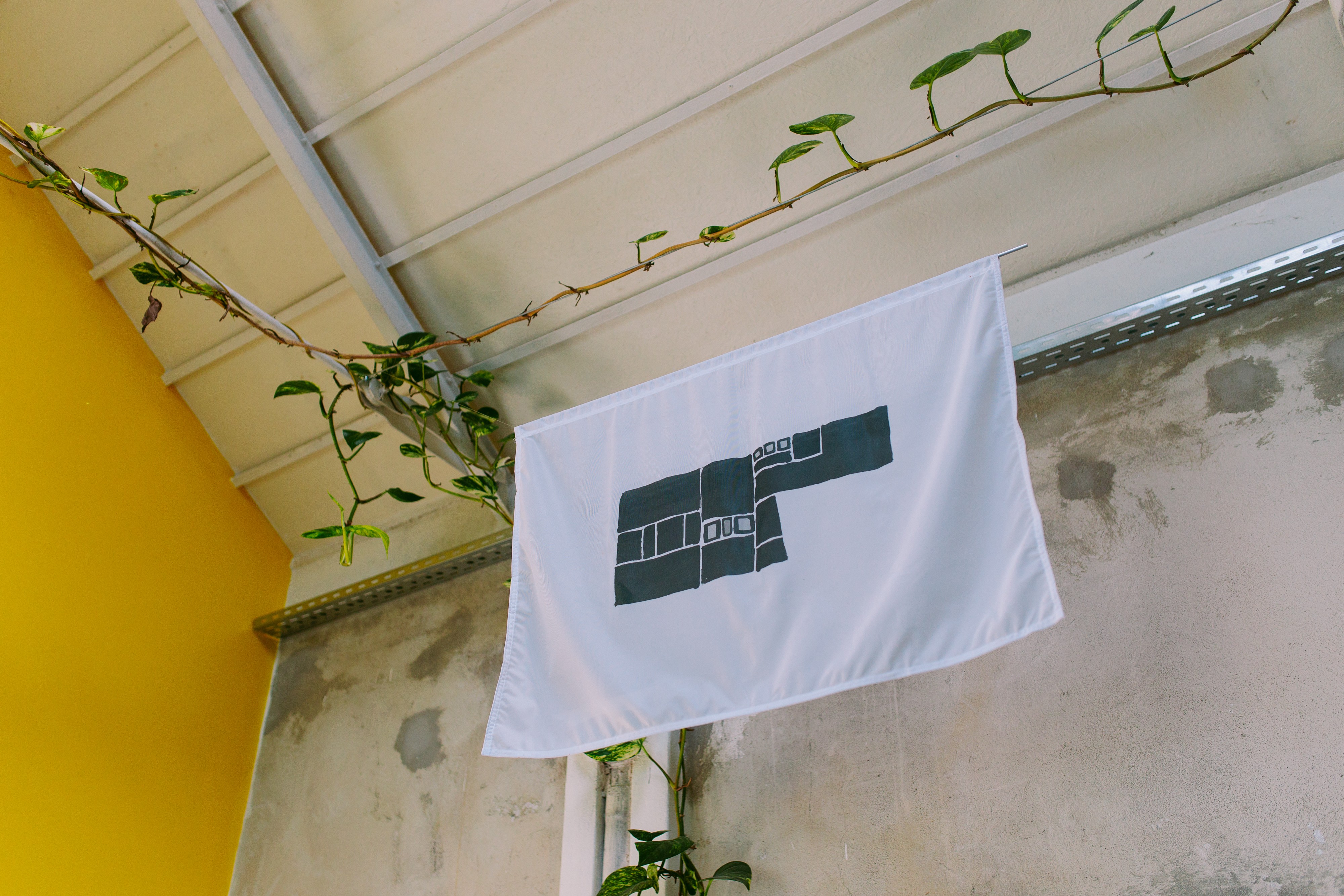
INSTITUTO © Renato Cruz Santos
As part of the Arquiteturas Film Festival, the installation More-Than Cinema by Claudia Sinatra, Ludwig Berger, Klearjos Eduardo Papanicolaou, Marios Kleftakis and Michael Walczak will open on 1 July. It will be on display at the INSTITUTO until the end of September and is also part of the Circuitos’26 programme. Curated by Hubert Klumpner and Klearjos Eduardo Papanicolaou from the Chair of Architecture and Urban Design at ETH Zurich – the festival’s guest institution – the installation brings together research into pedagogy, image, sound and audiovisual practices, proposing new ways of critically interpreting contemporary urban space.
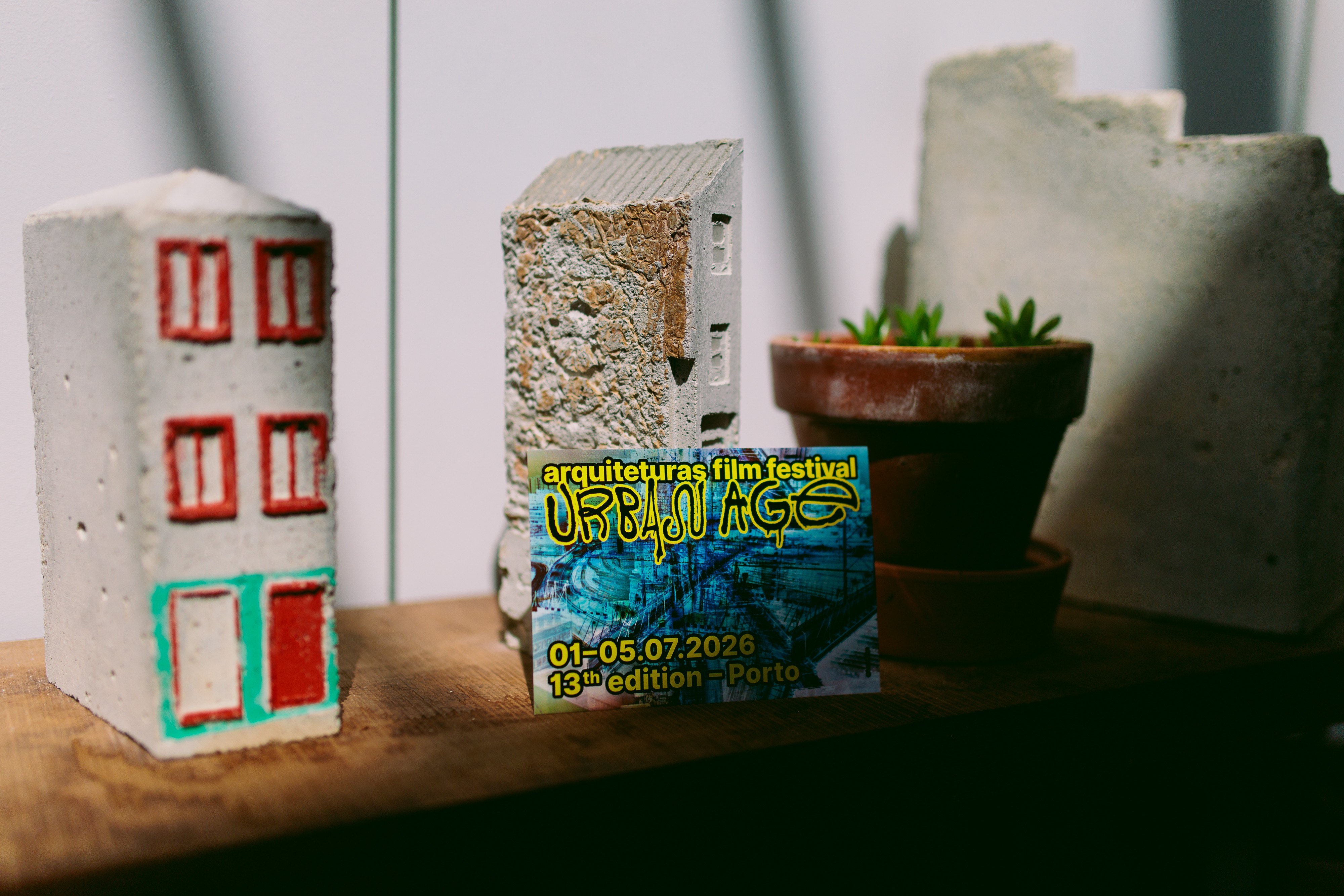
© Renato Cruz Santos
Raiz em Movimento
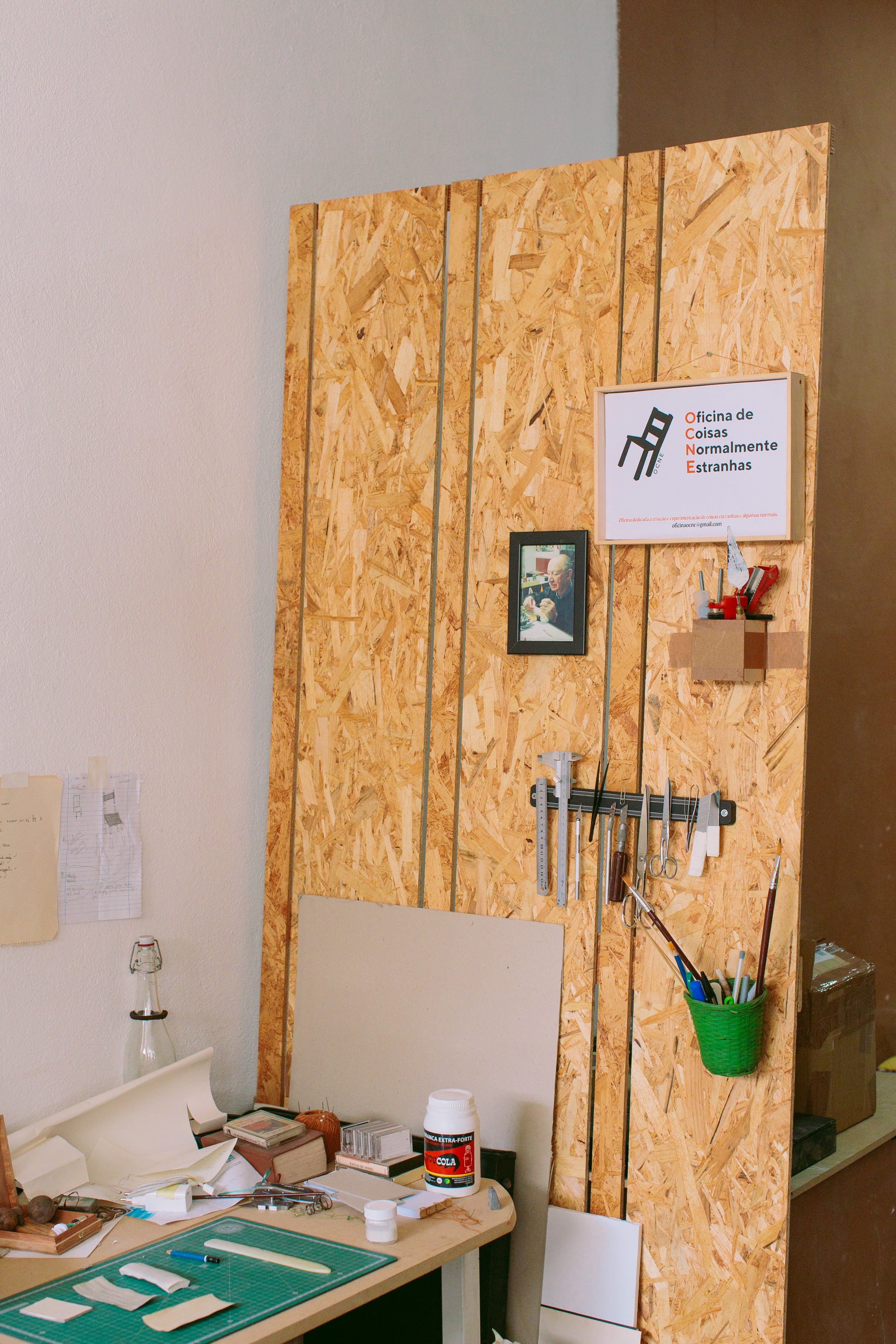
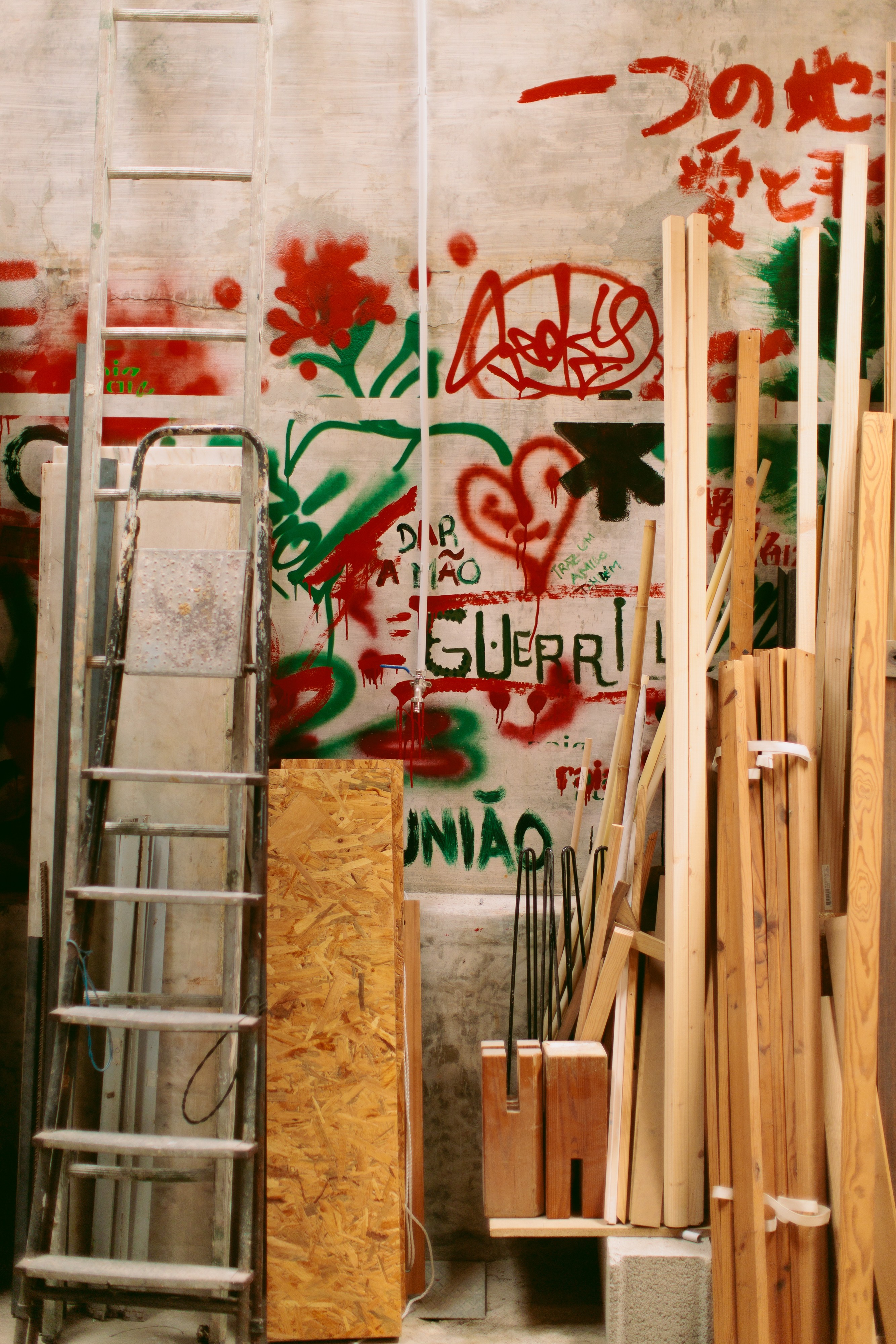
Raiz em Movimento is based in a former toy factory on Travessa do Campo 24 de Agosto. It is a space housing studios and workshops for artists and designers, which has given rise to “an informal collective” comprising around 25 people who find there “a place of freedom” that, “from time to time, opens its doors to showcase their work”.
The story began in 2023 when Diogo Alexandre Machado had to leave the studio where he was working because the building was due to be sold. “The usual story,” he sums up. A communication designer, producer and museography technician, he found in that building in Bonfim the opportunity to bring together other professionals who were looking for the same thing: an affordable space where they could carry out their work. “The fact that there are so many of us means the rent is more affordable for everyone. Raiz is a bastion of resistance in the city where we live,” he emphasises.
Raiz has been growing on the basis of trust. Newcomers almost always join on the recommendation of someone who is already part of the collective. “Only friends of friends are allowed in. It has to be based on trust,” says Diogo. Today, the space brings together professionals from fields as diverse as the visual arts, film, design, graffiti and the circus arts.
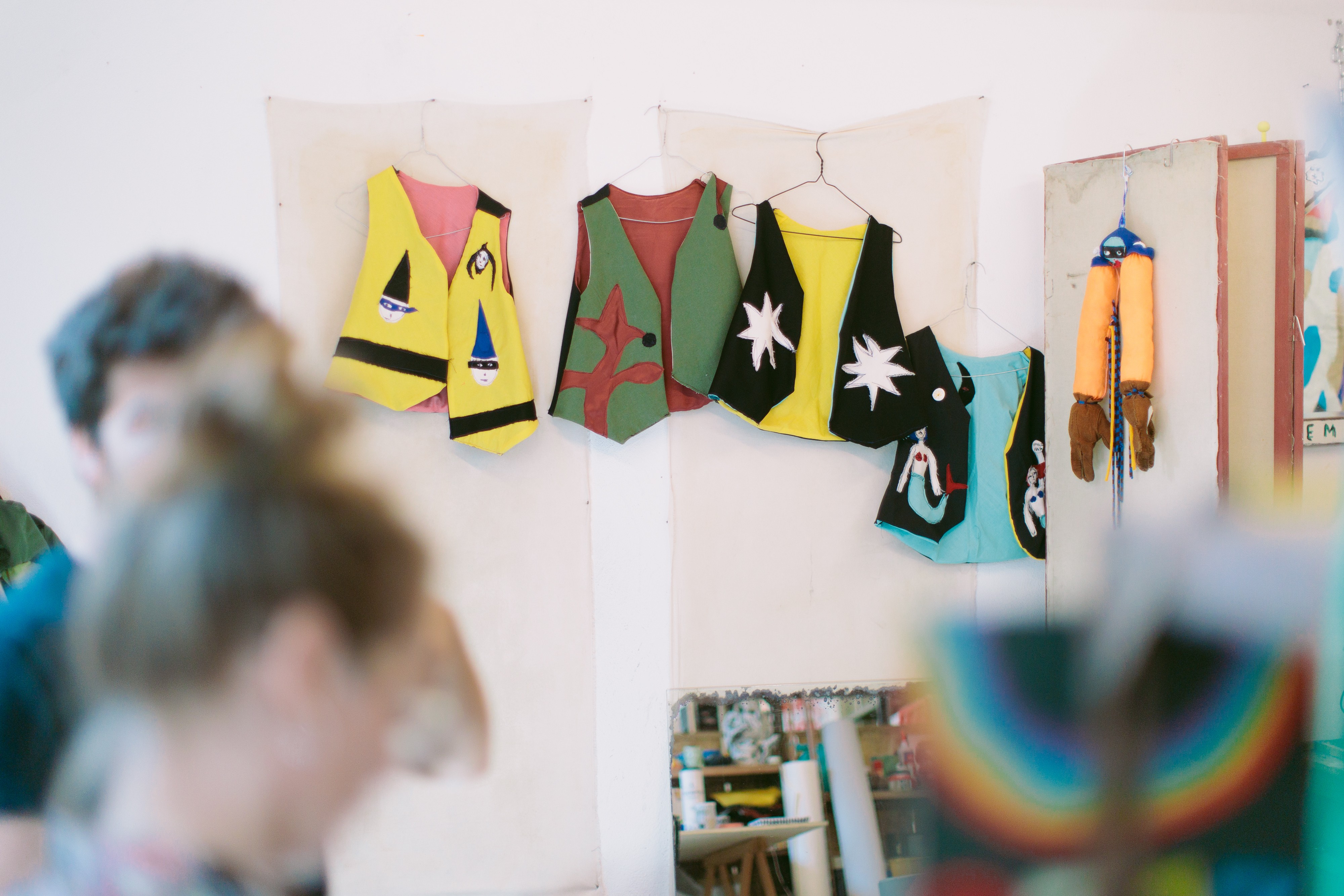
Raiz em Movimento © Renato Cruz Santos
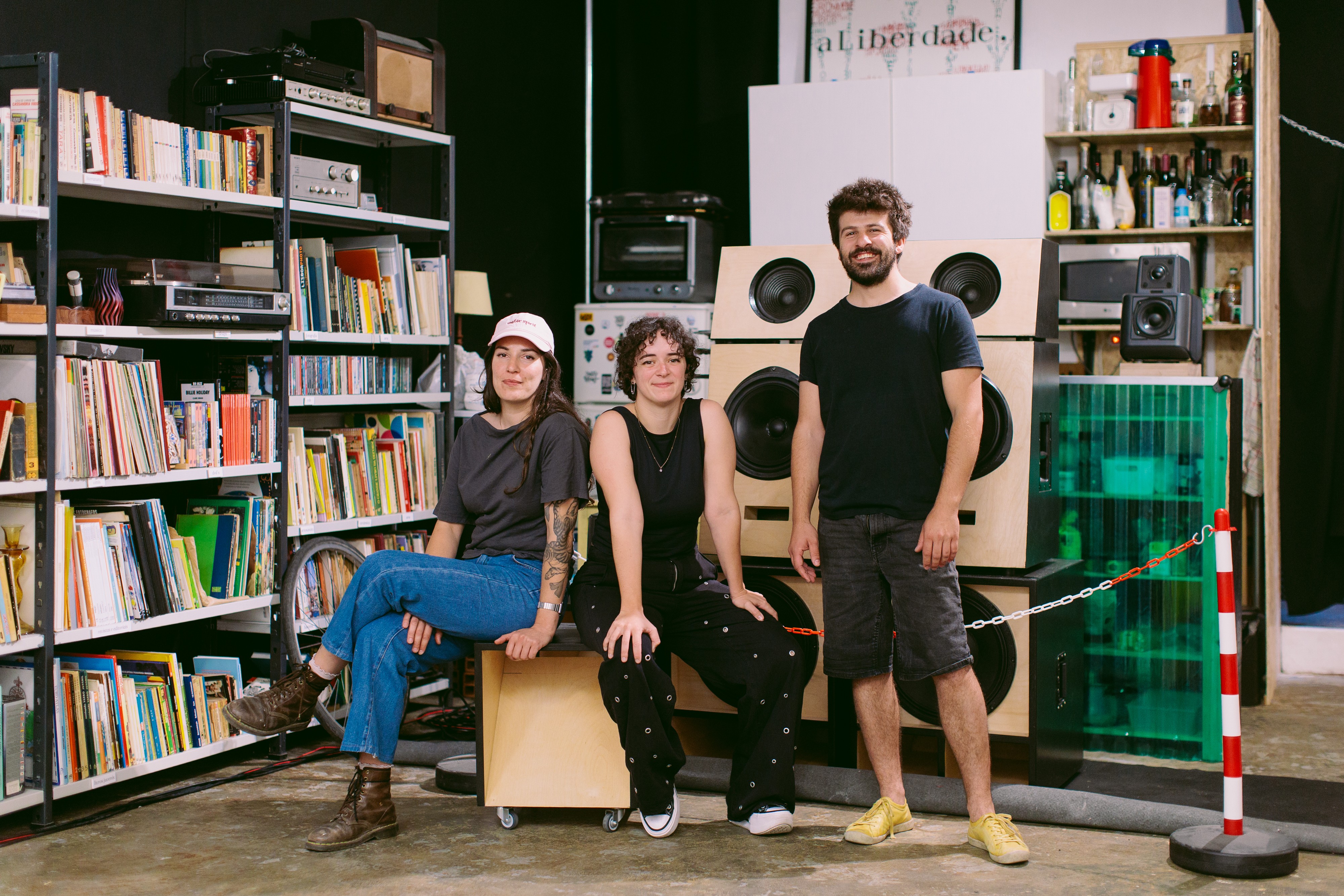
Ana Maria Simões, Diana Gil e Diogo Alexandre Machado, Raiz em Movimento © Renato Cruz Santos
© Renato Cruz Santos
Although it functions as a workplace, Raiz – which has since moved into new premises across the street – aims not to limit itself to the scope of a studio. “It’s also important not to be just a workspace,” emphasises Diogo, who is reorganising the building to enhance the communal areas. “We want there to be a social space as well.”
This sense of community ultimately has a positive influence on everyone’s projects. Diana Gil is well acquainted with this dynamic. A graphic designer, artist and musician, she has been part of Raiz since August last year. Before that, she worked mainly from home, but was looking for a place where she could share her daily life with other creatives. She joined through a friend who already had a studio there. “We have several people working in completely different fields and we end up asking each other for opinions. Sometimes I’m working on a project outside the field of the person sitting next to me, and even so, ideas emerge, problems are resolved and collaborations are formed that then continue outside Raiz.”
Having initially trained in percussion, Diana eventually changed direction after a hand injury prevented her from continuing to play. She graduated with a degree in Graphic Design and is currently developing work that blends design, moving images, performance and improvised music. This diversity of interests is reflected in the atmosphere at Raiz. “As a designer, I’m also an artist. The boundaries often blur, and it’s good to be surrounded by people with whom I can discuss ideas and unblock creative processes.”
More than just a series of workshops, Raiz em Movimento stands as a space for artistic experimentation, mutual support and connection. A place where creating continues to mean, too, building community.
The centre’s outreach to the wider community takes place mainly through initiatives such as Open Days and X-Acto, which invite the public to enter a space that usually operates behind closed doors. “These are events organised by us,” explains Diana. “Everyone decides what they want to show; we share out the tasks, there’s food and music, and we end up throwing a party.” She recalls, for example, the Open Day held in December. “There were little ones running about upstairs [in the studio area] whilst downstairs some people picked up CDs and started creating beats… it was all very spontaneous, and it was lovely. It became an experimental space, open to all ages, from toddlers crawling around to older neighbours who came to see what was going on.”
Ana Maria Simões, meanwhile, joined Raiz in April, around the time of the last X-Acto event. She works as an art director for film and designs sets and props for theatre. She continues to divide her time between productions in Lisbon and Porto, but has found a place there where she can explore painting and sculpture techniques between projects. “I needed a space to experiment. Being surrounded by people from different fields ends up fostering different working dynamics.”
© Renato Cruz Santos
It was precisely this desire to create meeting places that gave rise to X-Acto. The first edition, dedicated to the theme of food, took place in February and brought together performances, film screenings and discussions centred on agroecology. The second, organised during the week of 25 April, chose freedom as its theme and brought together various collectives, music and socialising. The next X-Acto, scheduled for October, will focus on cycling and will seek to bring together collectives linked to urban mobility.
Unlike what happens in many independent projects, Diogo is keen to emphasise that all the collective’s work is paid. “At X-Acto, everyone gets paid; it’s not unpaid work. We don’t believe in the logic of permanent volunteering.” For the founder of Raiz, these gatherings are also a way of “responding to the precariousness that characterises much of the cultural sector”. “There is a class struggle that isn’t always acknowledged, but it exists.”
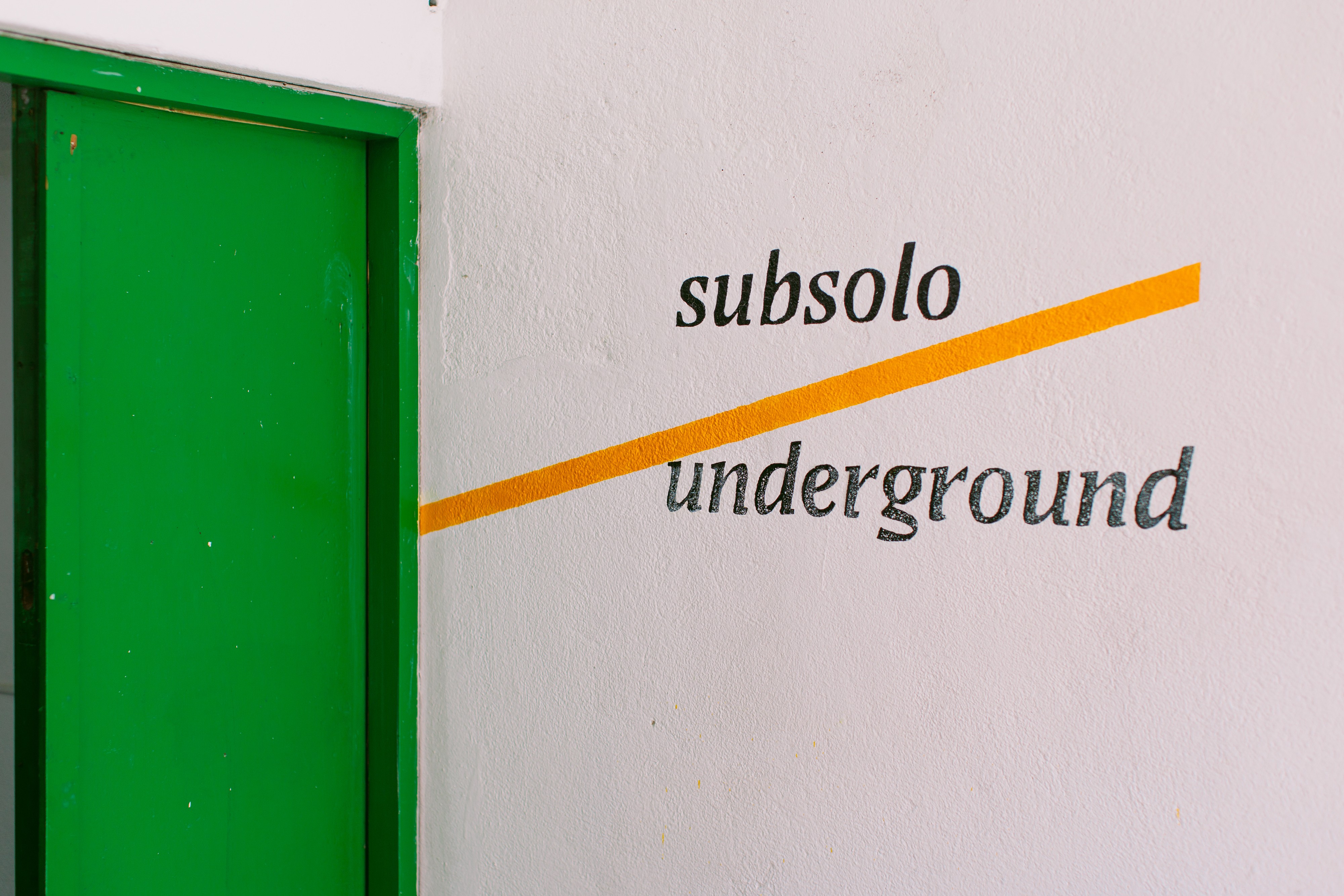
During Circuitos’26, Raiz will once again open its doors to the public. Unlike the previous edition, this time there will be no specific programme. This is a deliberate choice.
Raiz em Movimento © Renato Cruz Santos
Atelier Amarelo
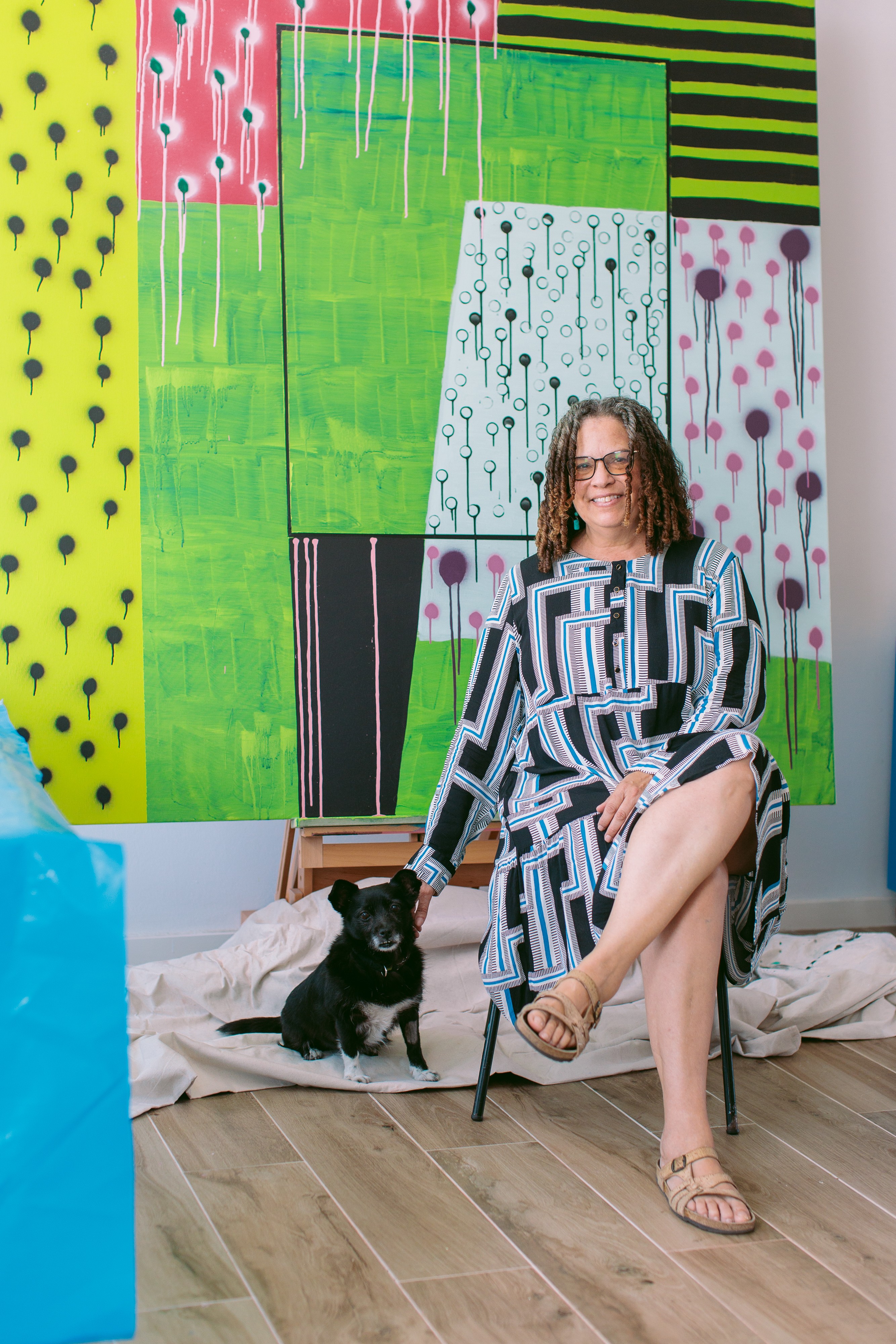
Atelier Amarelo is a house with a studio that, from time to time, doubles as a gallery. The American artist Holly Tempo has made No. 570 Rua Pinheiro de Campanhã her home and her workplace.
Holly Tempo no Atelier Amarelo © Renato Cruz Santos
Holly moved from Los Angeles to Portugal without having any connection to the country. She first lived in Viseu, where she stayed for about three and a half years, but eventually felt the need to seek out a more stimulating artistic environment, which she eventually found in Porto. “I thought: there’s an art scene here, things are happening,” she says.
She decided to look for a commercial space that would allow her to work on large-scale canvases whilst also living on the premises. She found the ideal spot next to Campanhã Intermodal Station. The yellow walls would eventually give the studio its name. With the help of an architect, she adapted the property to her needs and moved in in February 2025. The front part became his studio and, whenever he organises an event, he easily transforms it into an exhibition space. “When I have an exhibition, I just need to draw the curtains. I’ve fitted special hooks to the ceiling to hang the artworks, and it works really well.”
Holly acknowledges that moving to a new country has transformed her painting. “Above all, it has changed the colours, which are becoming increasingly vivid.” The artist attributes this change to the colours of the city, the tiles and the small details she comes across as she walks through the streets. She often photographs graffiti, flowers and plants, marks on the walls or the clothes of people she passes. She calls them ‘pedestrian studies’ and it is often these fragments that inspire her abstract painting.
‘Porto reminds me of Los Angeles in the 1990s, and that’s a compliment.’ He recalls a city where the desire to experiment prevailed and where small independent venues played a decisive role in artistic creation. "Today, Los Angeles remains a major international centre for art, but it has lost much of that spirit. Here I feel an enormous urge to create.” It is precisely this energy that she recognises in the proliferation of small independent venues in Campanhã and Bonfim. “I like these small, eccentric places. They remind me of what I experienced in Los Angeles.”
Last year, the artist applied to Circuitos and presented the group exhibition Pin, which brought together works by Maria Constanza Ferreira, Pedro Moreira, Megan Sharkey, Anna Townley and Holly Tempo herself, accompanied by a talk (*LA and Porto: a tale of two art scenes*) and a performance.
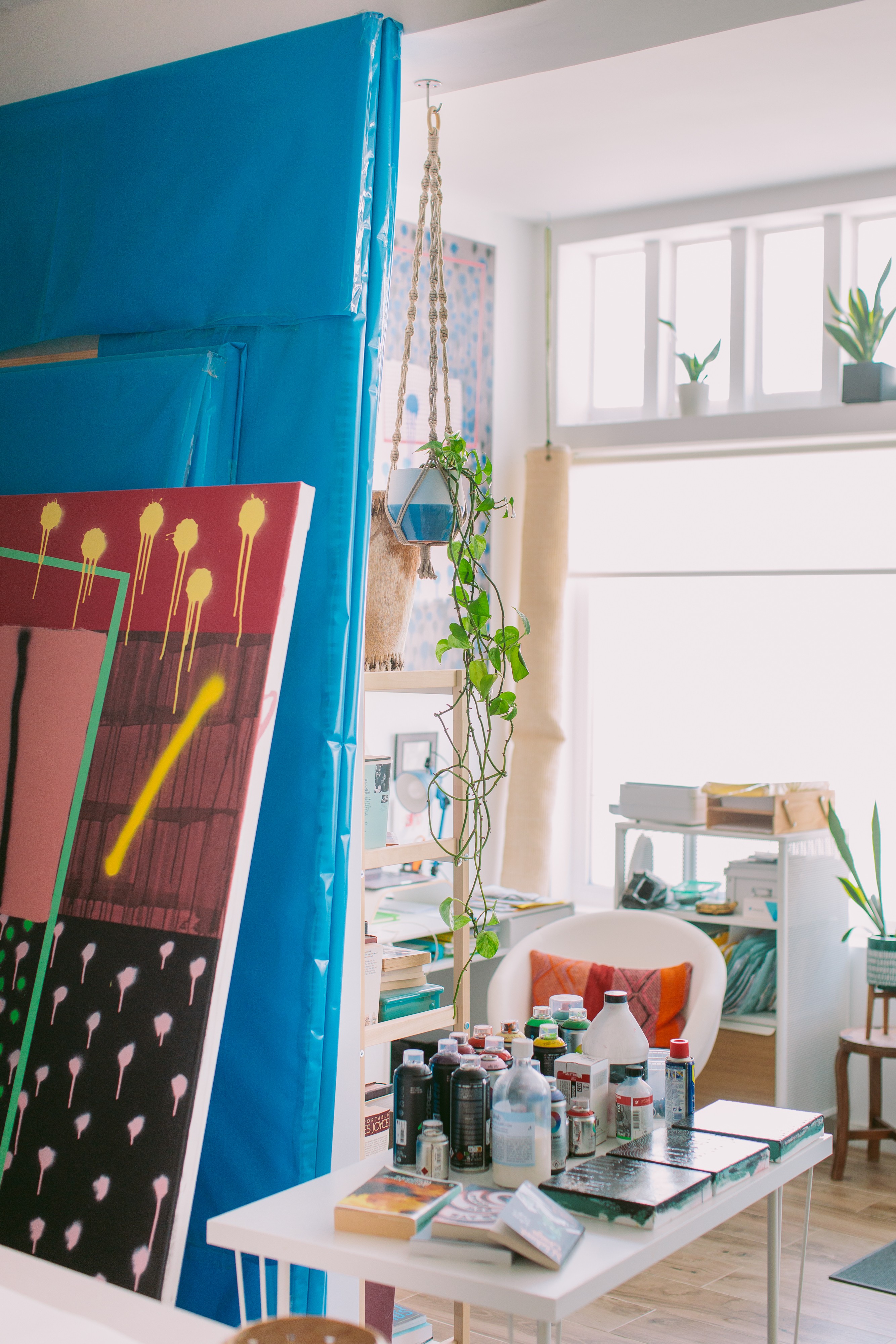
Atelier Amarelo © Renato Cruz Santos
As part of Circuitos’26, Atelier Amarelo will present ‘Vibe’, an exhibition dedicated exclusively to Holly’s work. The programme also includes a talk about her career, entitled ‘Nova Terra: a journey to authenticity’, and a ‘Garden Bath’ on the balcony of the studio-home, further emphasising the space’s role as a place for creation, gathering and sharing.
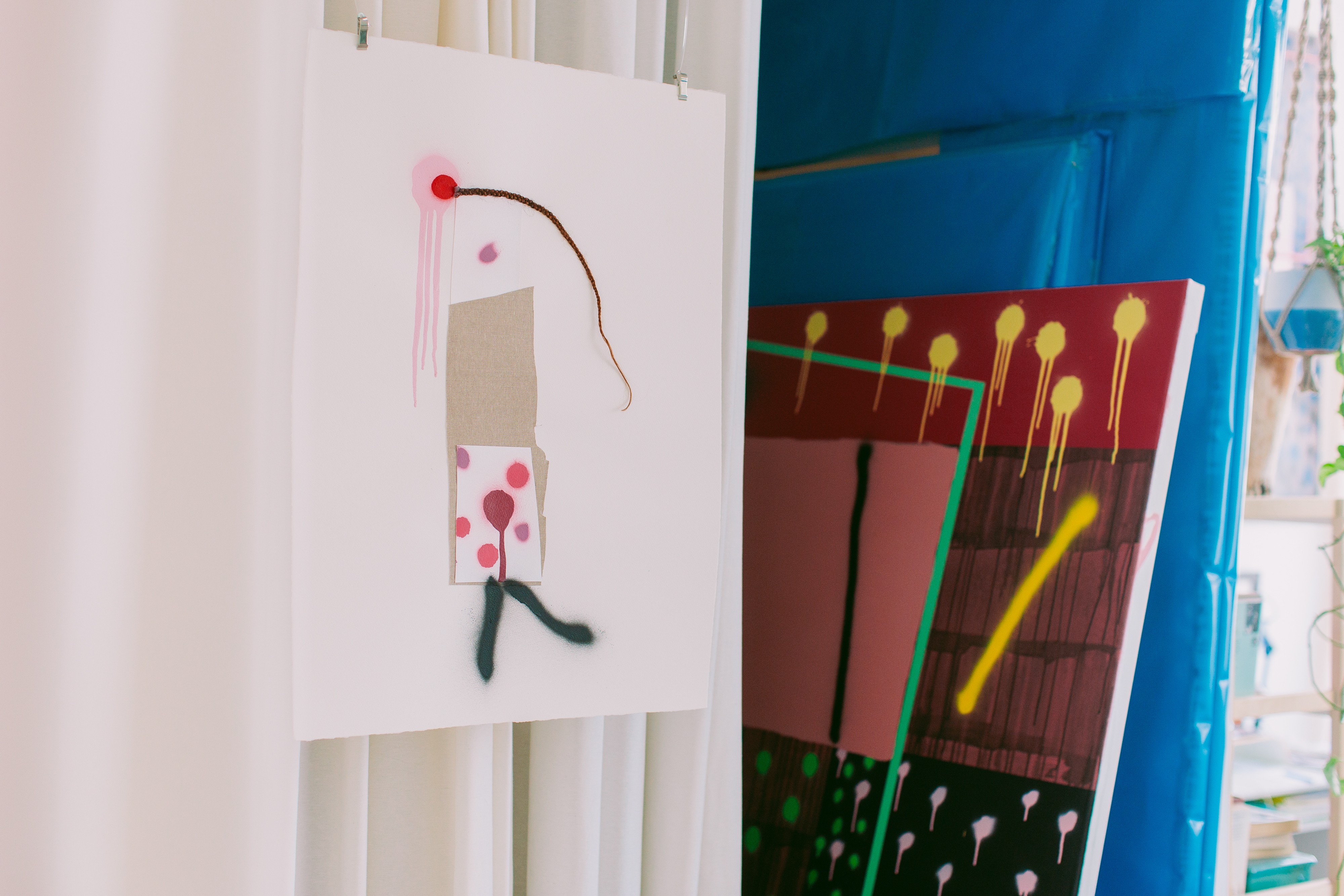
Trabalho de Holly Tempo, Atelier Amarelo © Renato Cruz Santos
Share
Relacionados
