

EN

June 2026
Tascas (taverns) are to Diogo Jesus Abreu what cafés are to George Steiner: “Map out the cafés and you will have one of the essential markers of the ‘idea of Europe’,” wrote the French essayist and philosopher. The Madeiran marketing and sales professional would rather say that “as long as there are tascas, the ‘idea of Porto’ will have substance”.
His fondness for tascas goes back a long way, to the time he lived in Madeira, but it has continued to be nurtured in Porto. And it is no exaggeration to say that, for Diogo, the map of the city could be drawn using tascas.
Originally from Funchal, he moved to Porto almost a decade ago and, he assures us, “the tascas were responsible for his smooth adaptation”. Incidentally, he recalls an episode that left a lasting impression on him when, “one day when I was feeling nostalgic, missing Madeira, I walked into O Xico dos Presuntos and Mrs Helena had made a codfish pasta dish”: “It was a very important meal for me, because I felt at home, perhaps for the first time in Porto,” he reveals, adding that he therefore “has a great affection for Helena and O Xico dos Presuntos”.
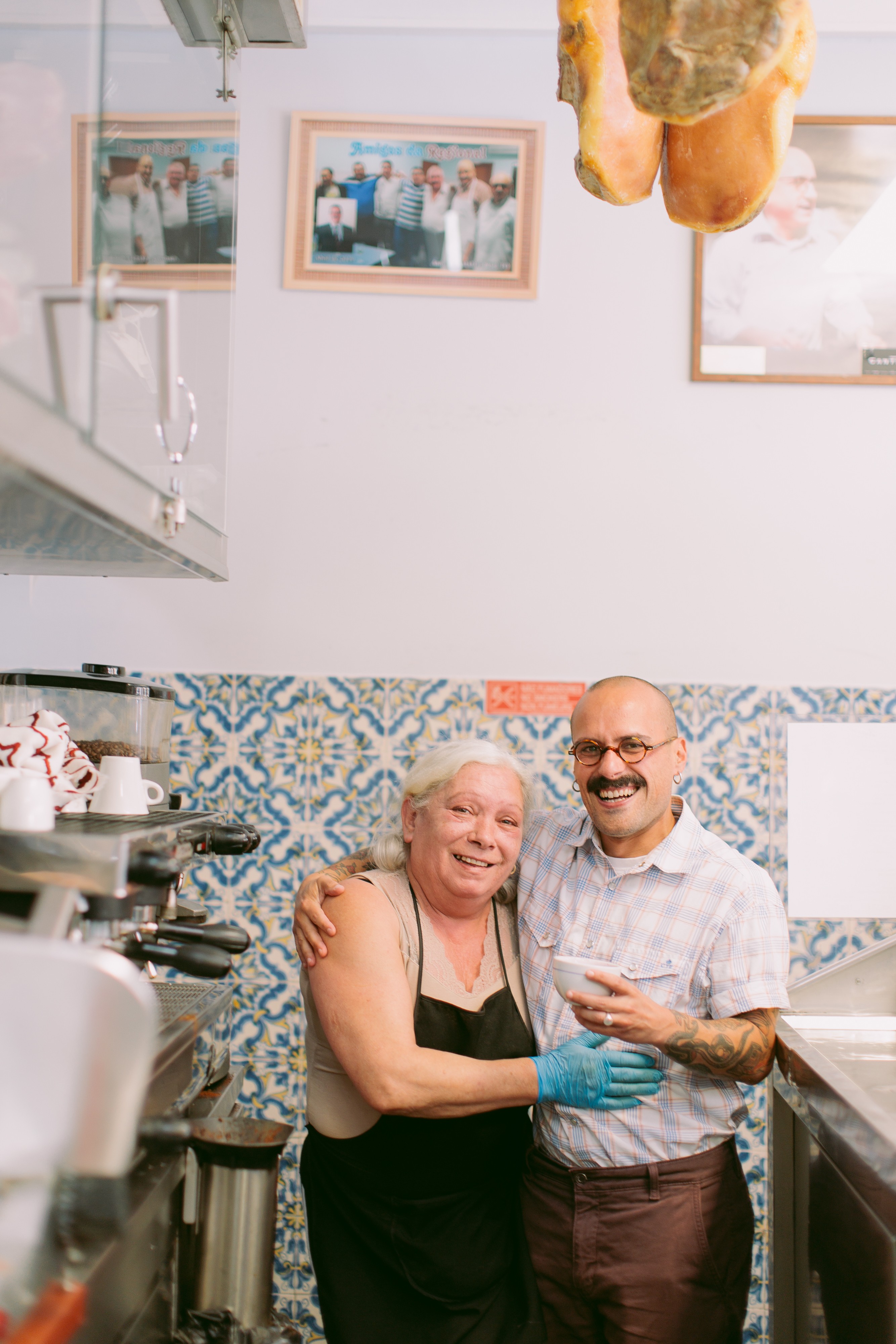
Diogo Jesus Abreu n' A Regional da Areosa © Renato Cruz Santos
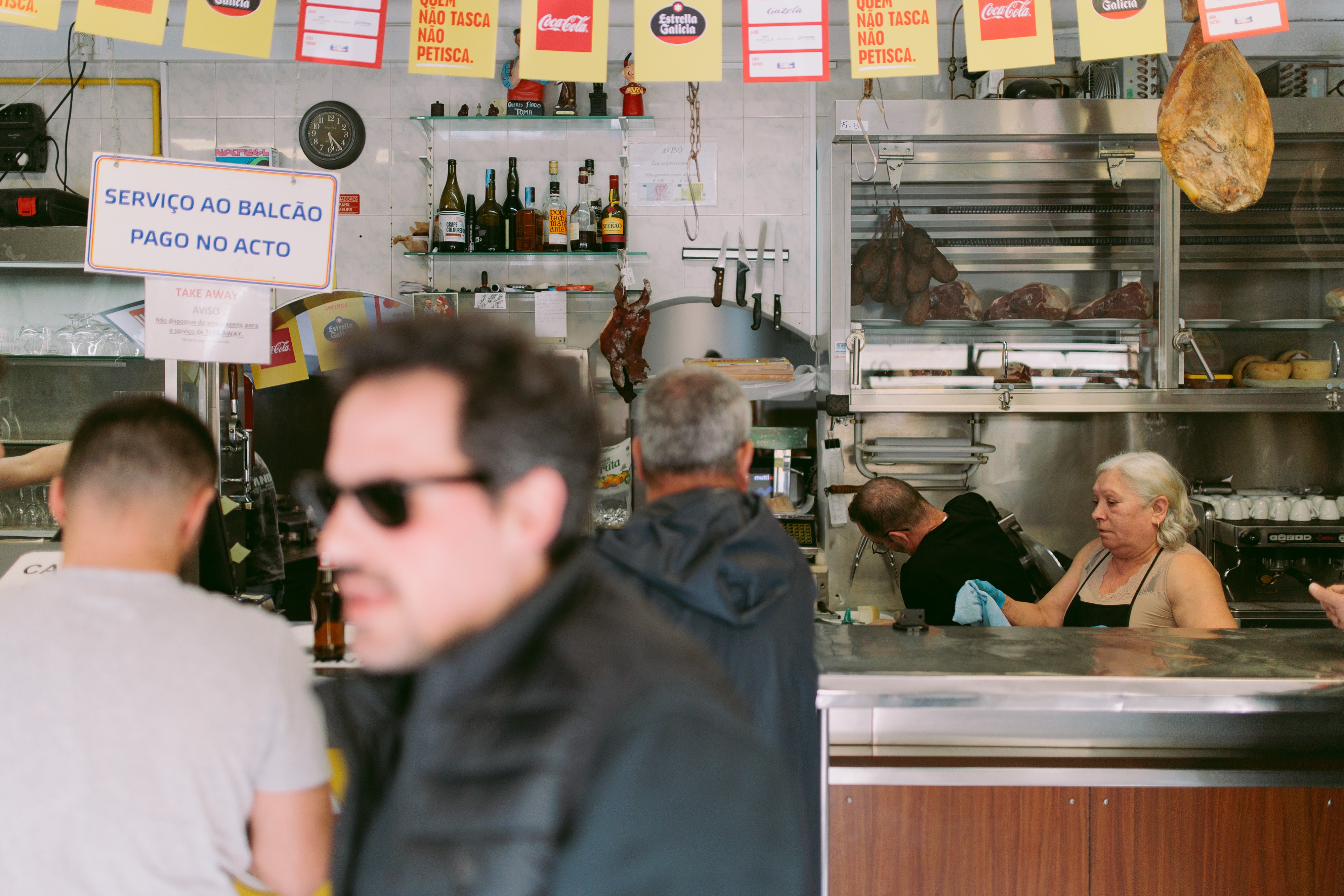
Adega A Regional da Areosa © Renato Cruz Santos
“The tasca counter is one of the most important things we have in our society. It’s a place that brings people together, where people from all walks of life sit.”
Diogo, as you can see, is not only an expert on local bars, but also knows the names of the people who serve him, with whom he has developed friendships. In this regard, he mentions “Mr Arlindo” from Casa Expresso. “He’s a very important person to me because he’s always welcomed me so warmly, and I have a lovely story about him; I really like biscuit cake, and it’s also a fond memory, because I used to eat this dessert at family gatherings, and at Casa Expresso there was never any biscuit cake. And it was a running joke with Mr Arlindo that, whenever I asked for a biscuit cake, he’d bring me the bill. This went on for two years until one day I asked for biscuit cake and he actually brought me the dessert. Today, there’s biscuit cake at Casa Expresso because of me, which is perhaps the highlight of my CV (laughs). It’s a kind of tribute, and that makes me very proud.”
His passion for local tascas led him to create “a little book” of illustrations and “bad jokes about good tascas” entitled Ode à Tasca. The idea came about during the pandemic, when “I was really missing pubs and going out”. “I was bored at home and started doing a few things.” Two years on, he showed his drawings and jokes to a friend who encouraged him to “do something with it”. The book, self-published, was launched at Casa Expresso. In the future, Diogo also plans to produce a publication about counters “while they still exist”.
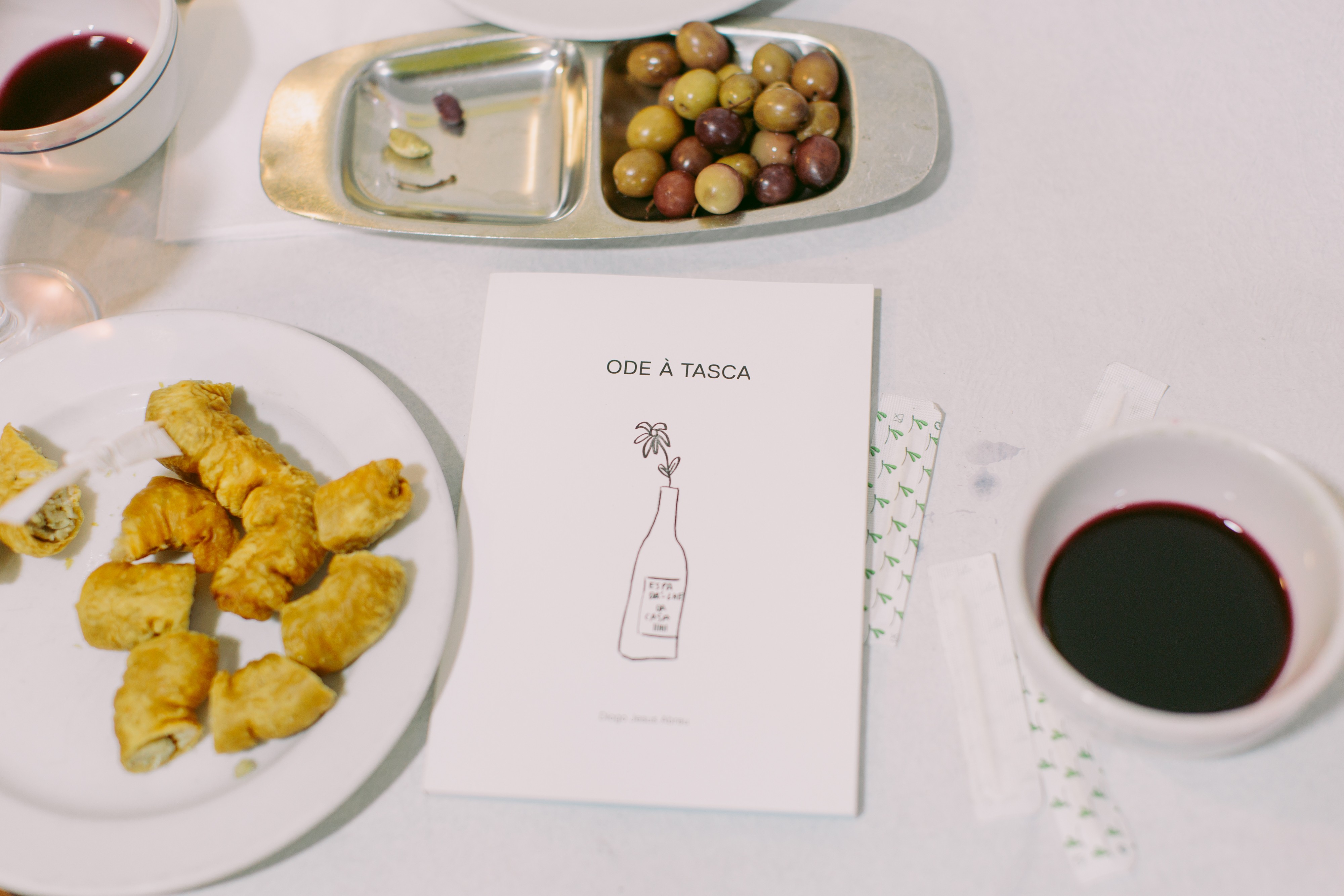
Ode à Tasca, by Diogo Jesus Abreu © Cruz Santos
© Cruz Santos
Although he is pleased that the “young crowd” is “rediscovering” the local tascas, he criticises the “gamification” of it all: “They go to all of them, wanting to discover them and post on Instagram, but then there’s no real interaction.” In this regard, he says that “tascas are like friends; nobody has 10 best friends!” “We have to choose two or three, know tavern keeper’s name, revisit them as often as we can and nurture that relationship. I think that’s the sort of tasca that will give us that sense of comfort; because it’s a third space,” he argues.
A Regional da Areosa
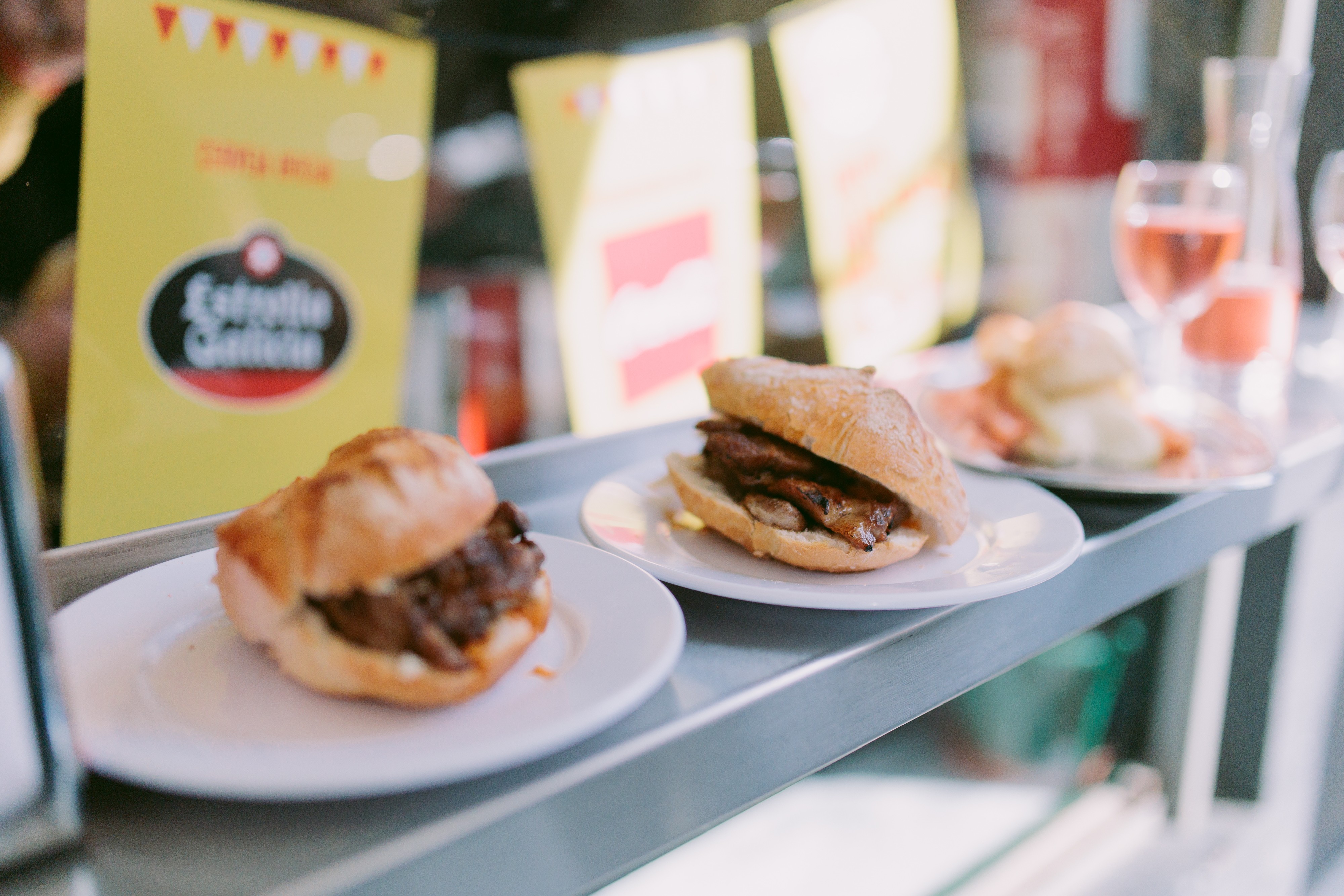
Diogo set up a meeting with Agenda Porto at A Regional da Areosa, famous for its black pork sandwich. “This tasca is very important to me because it’s situated in a sort of Bermuda Triangle (laughs); it’s between Porto, Gondomar and Matosinhos, and attracts an incredible mix of hard-working people from all three cities.”
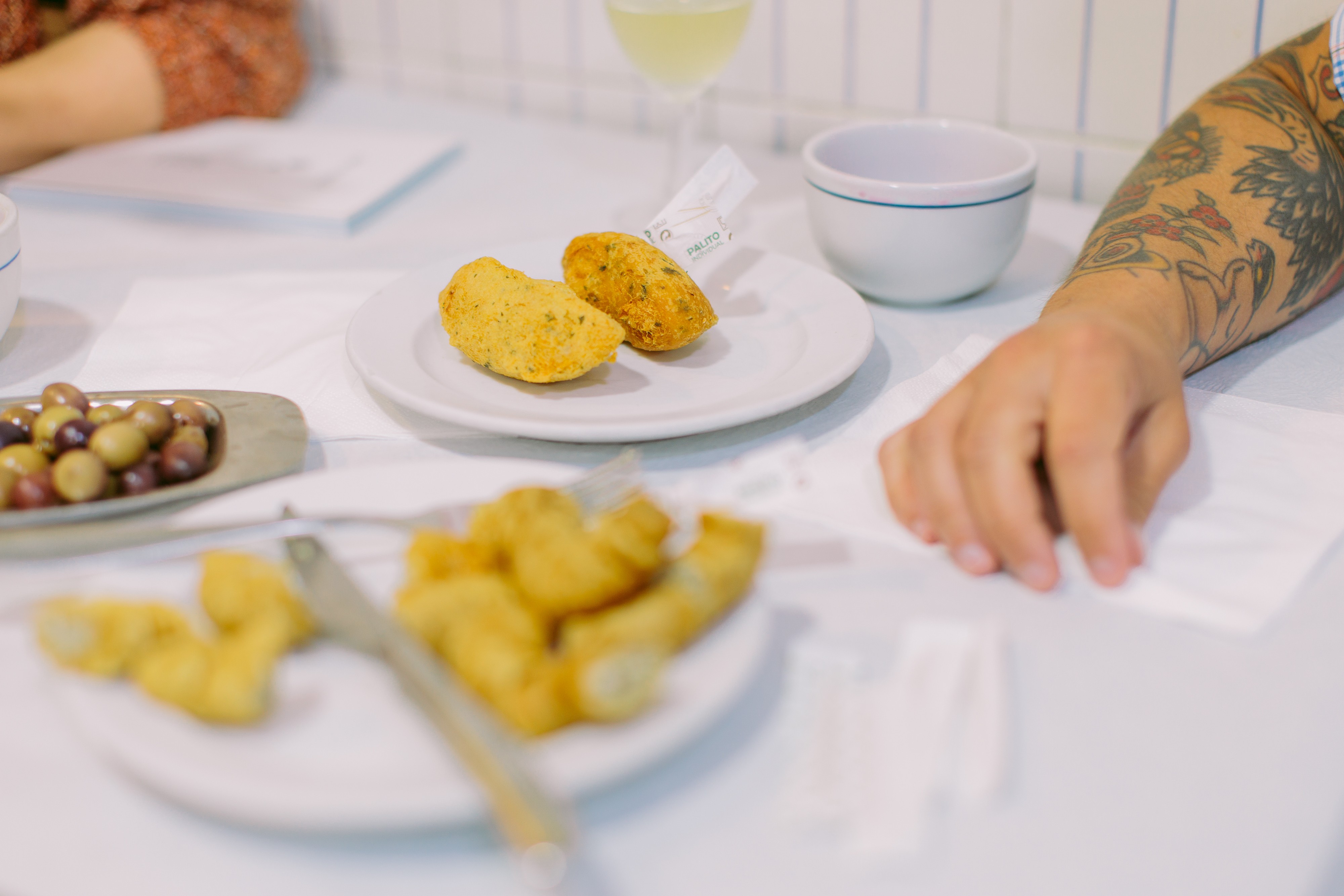
The brand ambassador enjoys its counter, which is “always bustling, which always gives you a chance to strike up a conversation and make new friends”, emphasising that “it’s the only tasca in Porto where you can play ‘the coin game’”, a game of chance that involves guessing the number of coins in someone’s hands, “and whoever loses pays for the round”. According to Diogo, “from four o’clock in the afternoon, this tasca changes; you no longer need to order a main course, we can sit down and have some snacks”, and he recommends the codfish cakes and the liver. “All the traditional snacks are made to perfection here,” he assures us.
Adega Rio Douro, owned by Piedade, in Foz, “one of the most important taverns in the area”, and Adega Túnel are other places recommended by Diogo. “There are still plenty of taverns, especially on the outskirts.”
© Cruz Santos
“The reinvention of the tasca”
Despite his praise for the tascas, the manager of the Nat’Cool wine brand does not shy away from highlighting problems associated with these venues, such as alcoholism. “There are things we need to change, and I’m excited about the future and about creating a better definition of the tasca.”
A critic of what he calls “neo-tascas”, he admits, however, that “if the tasca doesn’t adapt, it will die”. “Rents are rising, the owners are also passing away, and their children don’t want to take over the business; so, whether we like it or not, the tasca will have to reinvent itself.” Incidentally, he laments “some touristification” of these places which, when they start to become very popular, raise their prices, thereby driving away the regulars, and points to venues such as Xau Laura as “a good response to what could be an adaptation of the tasca to modern times”. “It doesn’t look like a tavern, but it is. And it’s a breath of fresh air.”
A Madeiran adopted by Porto
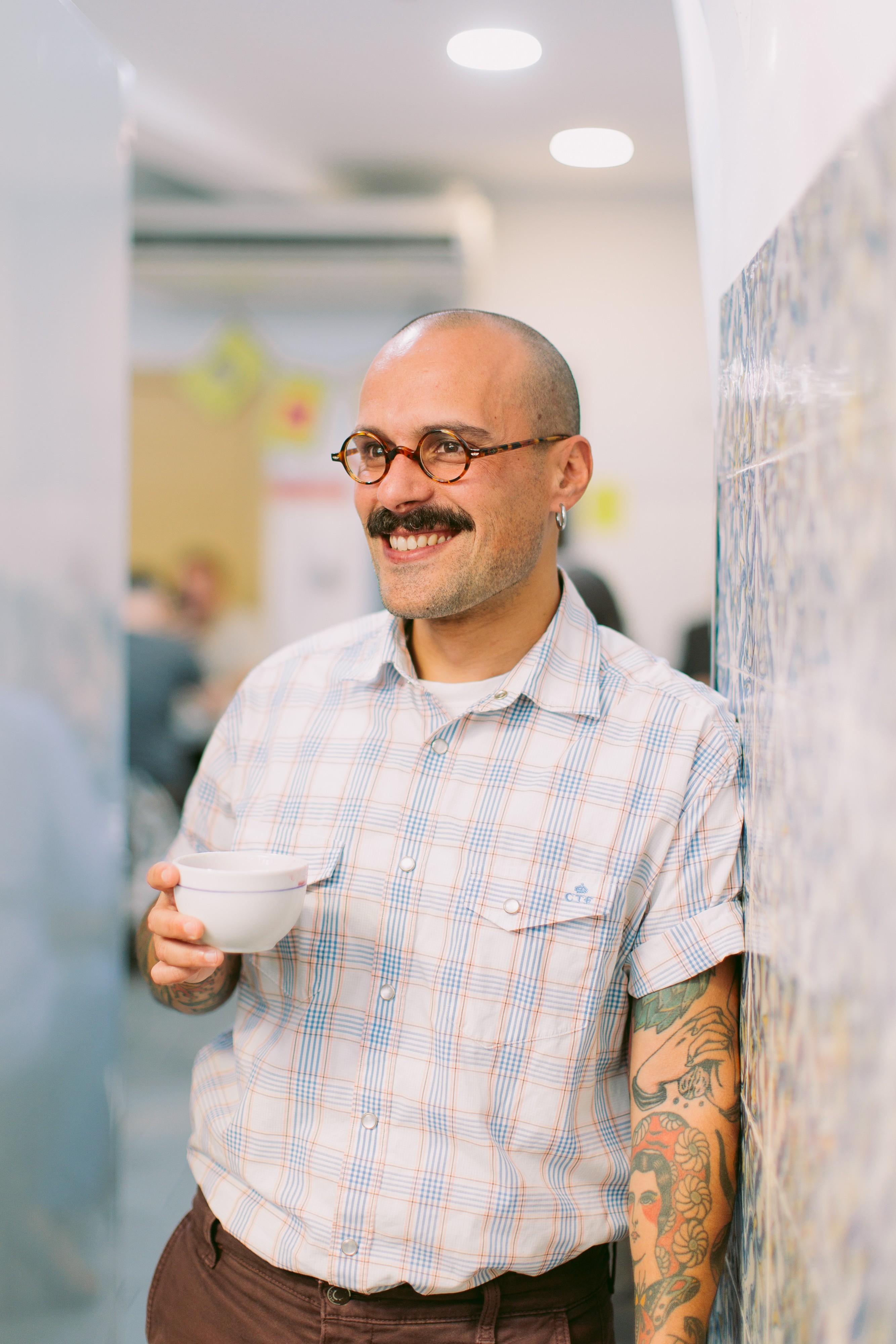
The Madeiran says he has been “adopted by Porto”. “I can say with absolute certainty that it’s my city. I think Porto is perfect for anyone who comes from an island and wants a bit more culture, diversity and variety, but also appreciates human warmth. Porto has just the right balance of everything,” he concludes. As long as there are taverns, Diogo will remain “madly in love with Porto”.
© Cruz Santos
Share
Relacionados
